Why Zero Search Volume Reveals More Than Trending Keywords Ever Could
Independent agencies are winning 3D and immersive work from automotive and tech brands. The capability exists, clients are briefing it, budgets are real. The search terms just don't exist yet.
Nobody searches for "3D design agency independent." The monthly volume is zero. The agencies competing for those keywords don't exist in our directory. The Twitter conversation isn't happening.
And yet: automotive brands keep hiring indie shops to build immersive digital experiences. Tech companies brief independent studios on spatial design projects. The work is happening. The investment is real. The search behavior just hasn't caught up yet.
This is what an emerging category looks like before it crystallizes into search intent. Before the keywords exist, the capability exists. Before anyone knows what to call it, agencies are already doing it and getting paid for it.
The question isn't whether 3D and immersive work matters to independents. The question is why the zero-search-volume reality reveals something more interesting than a keyword with traction ever could.
When the Work Exists But the Language Doesn't
Three years ago, if an automotive brand wanted a digital vehicle configurator with real-time 3D rendering, they briefed one of three network shops: R/GA, Huge, or Critical Mass. The brief assumed holding company infrastructure. The timeline assumed holding company process. The budget assumed holding company overhead.
Today the brief goes to shops that didn't exist when the configurator category formed. The capability moved faster than the vocabulary. Agencies built 3D pipelines before "immersive experience design" became searchable industry jargon. They hired Unreal Engine talent before anyone thought to Google "automotive spatial design studio."
The zero search volume isn't evidence of irrelevance. It's evidence of category formation in progress. The work is too new for consistent language. The clients are briefing based on portfolio, not keyword. The agencies winning this work aren't ranking for terms because the terms haven't stabilized yet.
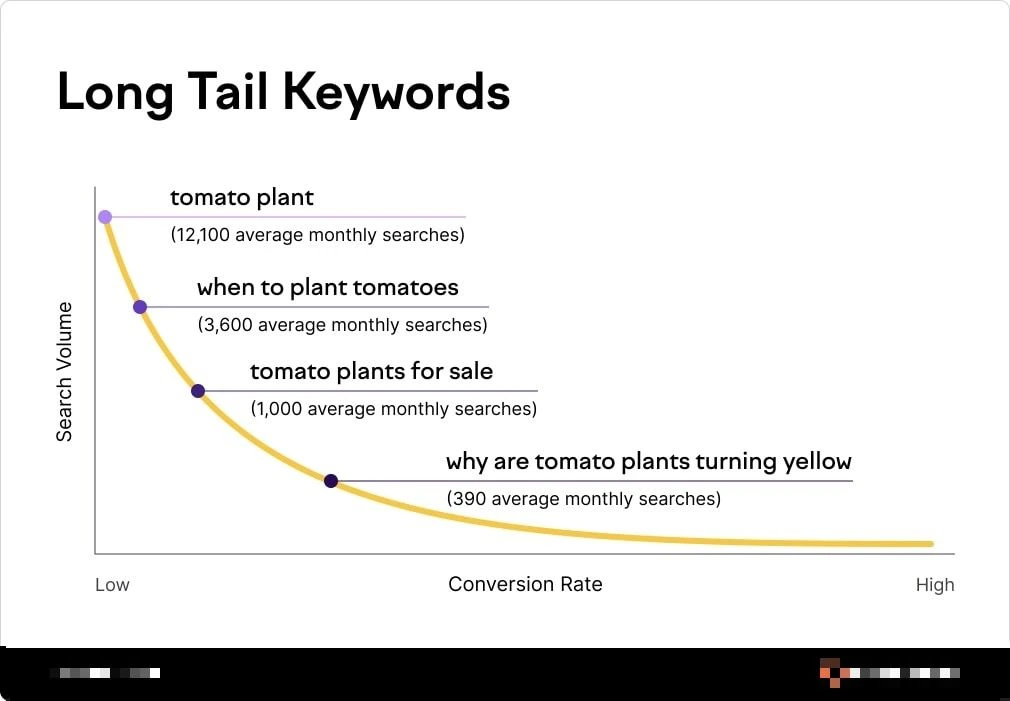
This matters because it reveals how independent agencies actually enter new categories: not by chasing search volume, but by building the capability before the market knows how to name it. By the time "3D brand activation agency" hits 5,000 monthly searches, the leaders will already be three years into building the discipline. The search behavior is a lagging indicator. The hiring is the signal.
What We're Actually Measuring
Our agency directory contains zero firms competing in the 3D/immersive space under those specific keywords. This doesn't mean zero firms are doing the work. It means the category hasn't formalized into stable search language that agencies optimize around.
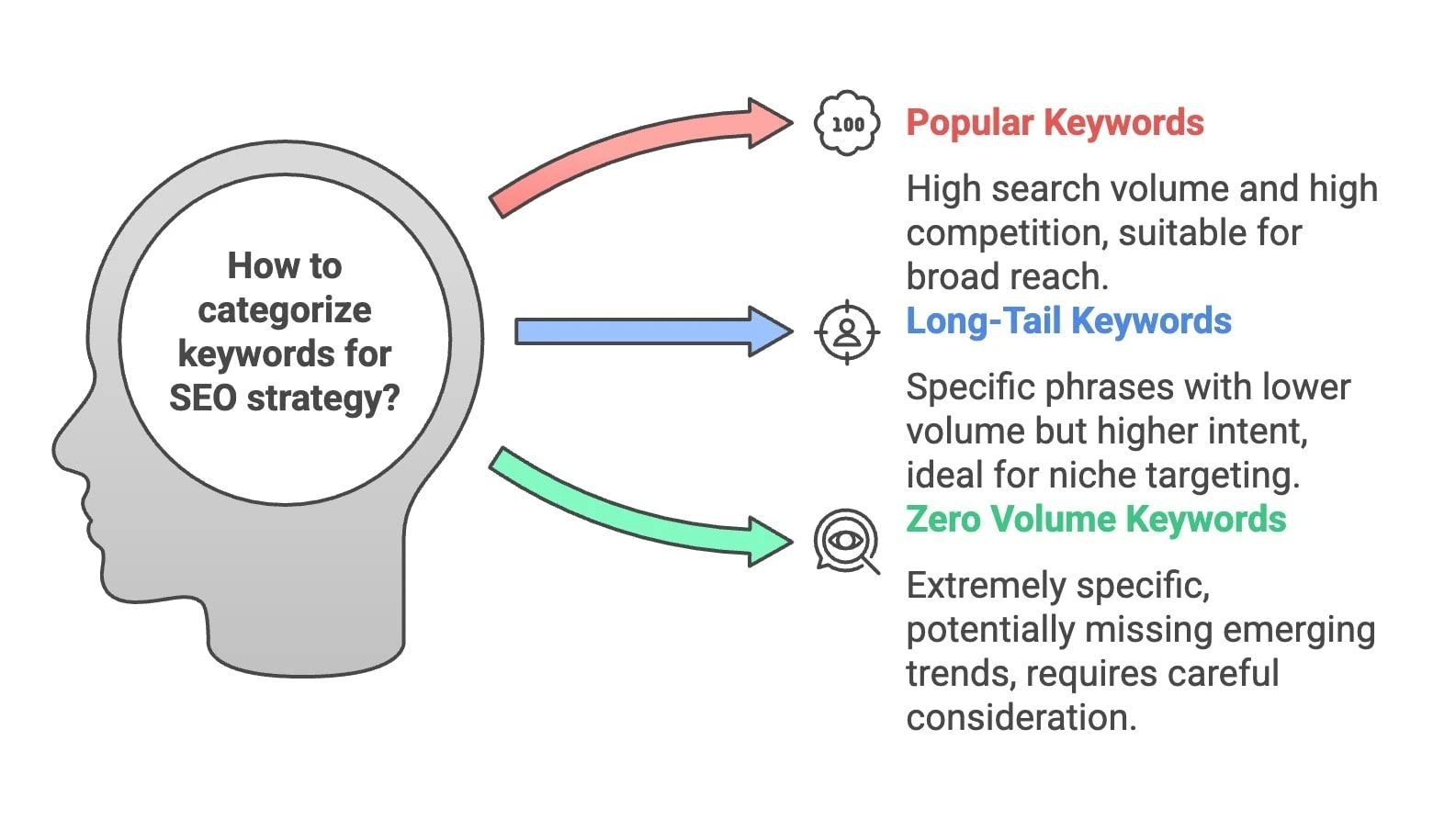
The related keyword cluster tells the real story. "AI campaign creative" exists as a search term because AI became consumable jargon fast. "Interactive website design agency" has history because "interactive" stabilized as industry vocabulary in 2008. "Digital product launch agency" works because product launches are concrete events with defined scope.
But "immersive brand experience" and "spatial design studio" and "3D brand activation" are still fighting for definitional oxygen. Immersive means VR to some clients, AR to others, or just a website with parallax scroll to procurement teams still learning the vocabulary. Spatial references physical environments or digital ones, depending on who's writing the brief. 3D can mean rendered assets or full spatial computing experiences.
The lack of search volume reflects linguistic instability, not market irrelevance. And linguistic instability is exactly what happens when a capability outpaces the industry's ability to name it consistently.
Which brings us to the business case no one can search for yet.
The Portfolio Always Precedes the Keyword
Here's what we know from observing agency hiring patterns and client briefs that leak into job postings and LinkedIn announcements: automotive and consumer tech brands are staffing up for immersive digital experiences at scale. They're not searching "3D design agency independent" to find partners. They're reaching out to agencies whose portfolios show the work already live.
When Tesla needed their Model 3 configurator rebuilt, they didn't run a Google search. When Apple briefed spatial computing work for Vision Pro, they didn't keyword research their way to a partner. When Rivian wanted an immersive digital showroom experience, the RFP went to agencies who'd already shipped automotive 3D work, not agencies ranking for a term that didn't exist yet.
This is how independent shops actually break into new categories: they make the investment in talent and technology before the demand is searchable. They hire the Unreal Engine developer in 2021 when nobody's briefing spatial computing work yet. They build the 3D asset pipeline in 2022 before brands formalize immersive experience budgets. They ship one client project, document it obsessively, and use it to win the next brief.
By the time the search volume materializes and the keyword stabilizes, they're not competing for position one. They're the case study everyone else benchmarks against.
This pattern repeats across every emerging discipline, and it reveals something fundamental about how independent agencies compete.
The Independence Advantage in Undefined Categories
Network agencies struggle with emerging categories because their structure requires category definition before investment. A holding company shop needs to see the TAM analysis, the three-year revenue projection, the competitive set, the searchable demand signal. They need to know what to call the discipline before they can build the practice.
Independent agencies can move on signal instead of certainty. A single automotive client brief for a 3D configurator is enough to justify hiring a senior Unreal developer. One tech brand asking about spatial design is enough to spin up an R&D budget. The investment threshold is lower. The approval chain is shorter. The tolerance for undefined categories is higher.
This is why independents consistently lead in capability areas that don't have stable search volume yet. Not because they're better at prediction. Because they can act on smaller signals. They don't need "immersive brand experience agency" to hit 10,000 monthly searches before making the hire. They need one client willing to pay for the work.
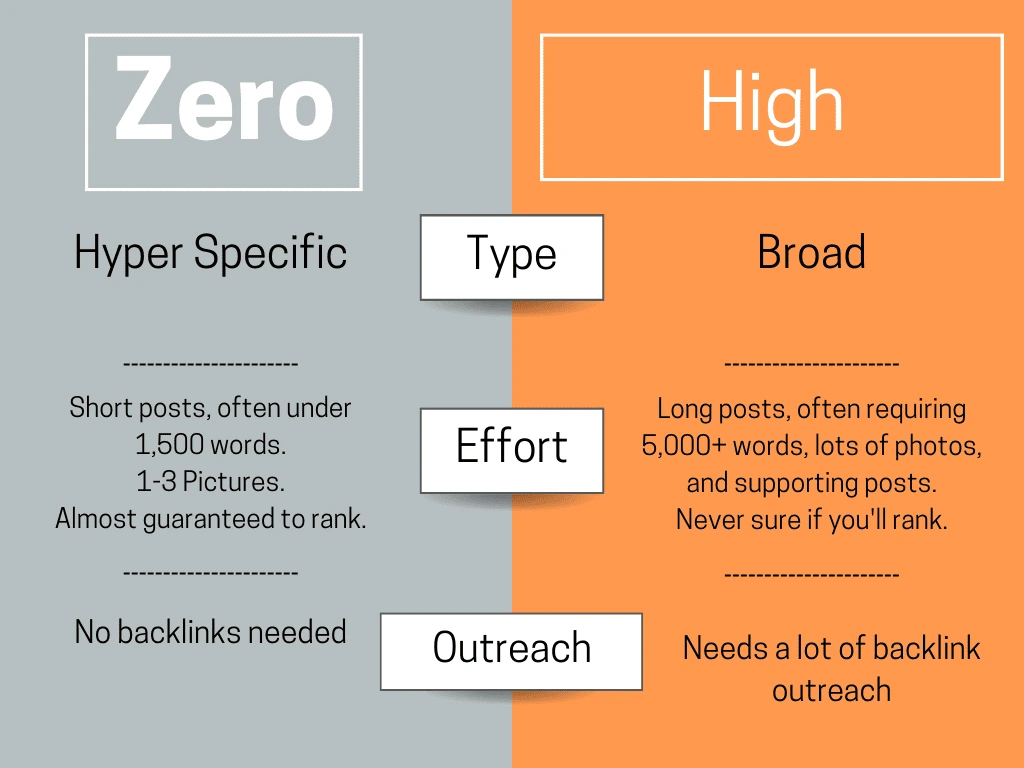
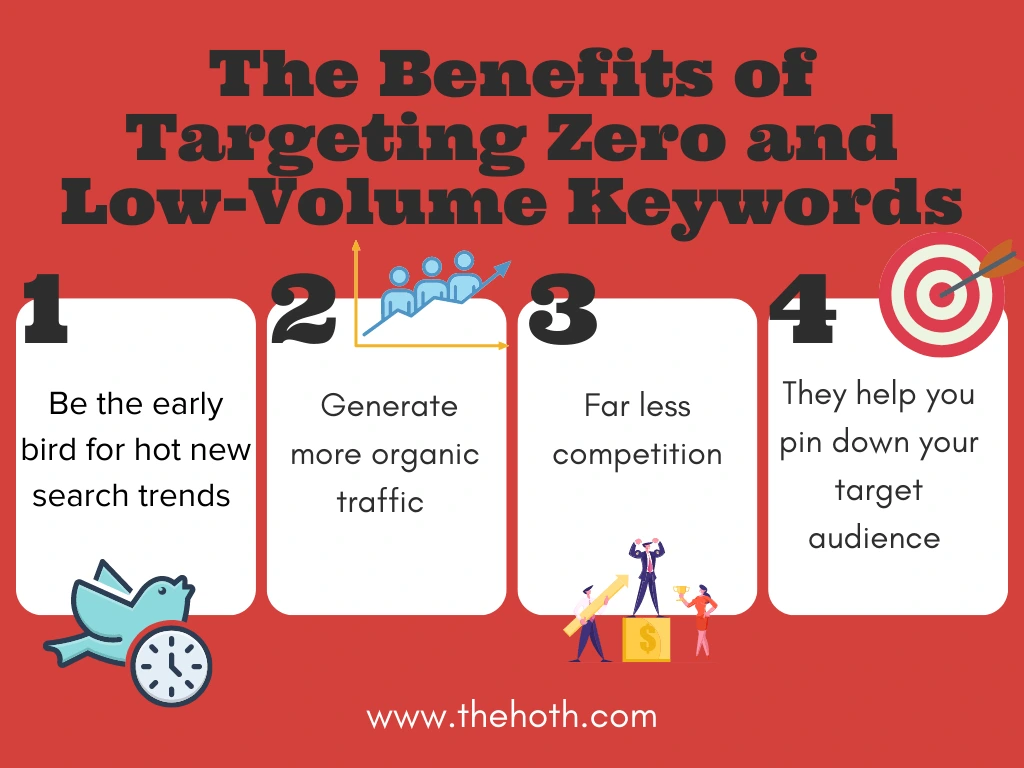
The zero search volume isn't a problem for these shops. It's protection. It means the holding companies aren't building competitive practices yet. It means the RFPs aren't flooded with 47 respondents. It means the client who wants this work has to find you through portfolio and referral, not procurement keyword search.
By the time the category has a name everyone agrees on, the independents who moved early have three years of shipped work and client relationships. The search volume eventually catches up. The SEO battle eventually begins. But the competitive position was won before the keywords existed.
Which raises the question: why do automotive and tech brands keep briefing this work to independents in the first place?
Why Automotive and Tech Brief This Work to Independents
Two categories drive the majority of immersive and 3D design briefs to independent agencies: automotive and consumer technology. Not coincidentally, these are the two categories where product visualization and digital experience directly impact purchase consideration.
Automotive brands brief 3D configurators because the dealership visit happens after the digital research phase. The customer has already spec'd their vehicle online. They've rotated the 3D model. They've changed the wheel design and the interior trim in real-time rendering. The configurator isn't marketing. It's product experience. And product experience requires the kind of craft and technical precision that 12-person studios deliver better than 1,200-person agencies.
Consumer tech brands brief spatial and immersive work because their product categories don't exist in physical retail yet. You can't see a Vision Pro at Best Buy the way you see an iPhone. The digital experience IS the primary product encounter. Which means the agency building that experience needs to understand spatial computing, real-time rendering, and interaction design at a level of depth that generalist digital agencies haven't developed.
Both briefs reward specialization over scale. Both favor agencies who've made the technical investment over agencies who can staff the account with bodies. Both select for craft, not capacity.
This is the structural reason independents win here. Not because they're cheaper or more creative. Because the work itself requires depth over breadth, and independence enables depth in ways holding company P&L structures don't.
The advantages compound over time, which shapes what happens when the keywords finally stabilize.
What Happens When the Keywords Stabilize
Eventually "3D design agency independent" will have search volume. Eventually "immersive brand experience" will mean something specific enough that agencies can optimize for it. Eventually the category will formalize and the procurement RFPs will include the standardized language and the holding companies will spin up competitive practices.
The independents who moved early won't care. They'll have client rosters. They'll have case studies. They'll have teams with three years of production experience shipping this work at scale. The search volume will finally validate what they were already doing. The SEO battle will begin. And they'll rank because they have the substance the algorithm rewards: real projects, real clients, real evidence of category leadership.
This is the pattern across every emerging discipline. The agencies who lead in AI creative work started hiring machine learning talent in 2021, not 2024. The shops winning voice interface briefs built Alexa skills in 2016 when nobody knew what to call that category. The studios doing WebGL work invested in Three.js developers in 2018 before "interactive 3D web experiences" was searchable jargon.
The zero search volume isn't a problem. It's the starting condition. It's what the landscape looks like when a new capability is real but the language is still forming. The independents who thrive here aren't chasing keywords. They're building the thing the keywords will eventually describe.
And by the time those keywords have volume, the work will already be won.
Which points to the real differentiator that matters more than technical skill or creative talent.
The Real Differentiator: Speed to Undefined Capability
The actual competitive advantage isn't 3D rendering skill or immersive design talent. It's the ability to invest in a capability before the market has named it. To hire for a discipline that doesn't show up in procurement RFPs yet. To build a portfolio in a category that clients are briefing based on demonstrated work, not keyword search.
This is what independence enables that holding company structure doesn't: the ability to move on signal instead of certainty. To see one client brief, make one strategic hire, ship one project, and use that shipped work to win the next brief. No business case required. No TAM analysis. No three-year P&L projection for a practice area that doesn't have stable search volume yet.
The agencies that will eventually dominate the 3D and immersive space aren't waiting for the keywords to crystallize. They're not waiting for "spatial design studio" to hit 5,000 monthly searches. They're hiring the talent now. Building the pipeline now. Shipping the work now. And when the search volume finally arrives and the category formalizes and the procurement teams start briefing "immersive brand experience agencies," the independents will already have the portfolios that win the work.
The zero search volume isn't evidence of a non-existent market. It's evidence of a market forming faster than language can keep up. And the agencies who understand that distinction are already three years ahead.
The capability exists. The clients are briefing it. The budgets are real. The keywords will catch up eventually. But by then, the competitive positions will already be set. The independents building 3D and immersive capabilities right now aren't making a bet on search volume. They're making a bet that portfolios beat keywords every time. And in emerging categories, they're right.
Free Agency Media Editorial
All newsYou might like
Gaming Agencies Thrive in a Category That Doesn't Exist on Google
Why AI and Web3 Companies Choose Independent Agencies Over Holding Companies
Why AI and Web3 Companies Choose Independent Agencies Over Holding Companies

The Zero-Search Advantage: Why Independents Win Before the Market Knows to Look
The Case Study Arms Race: Why Independents Win Through Radical Transparency