Why Zero Search Volume Became Independent Branding Studios' Biggest Advantage
Brand identity clients don't Google agencies. They hunt portfolios. That search invisibility just handed independent studios a structural edge holding companies can't buy their way out of.
The Search Engine Paradox Nobody's Talking About
Zero people searched for "brand identity agency" last month. Zero searched for "independent branding studio." Zero typed "rebranding agency 2026" into Google. The keyword cluster that should represent a multi-billion dollar market segment registers a flat line in search volume data. Brand identity work, the high-stakes visual and strategic work that defines how companies show up in the world, is invisible to search engines.
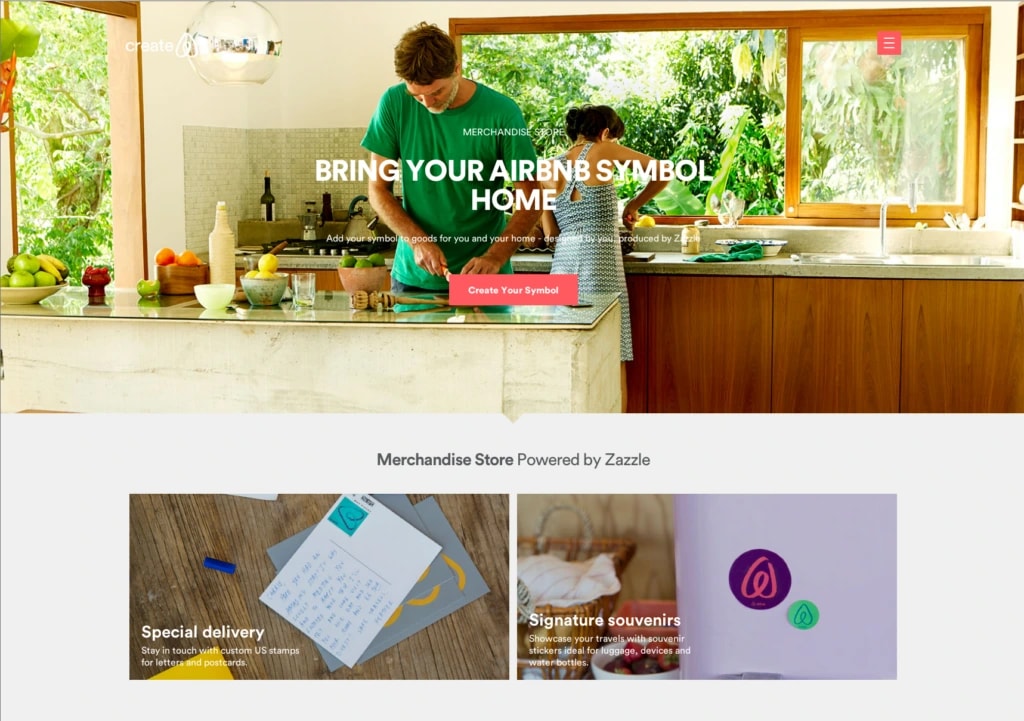
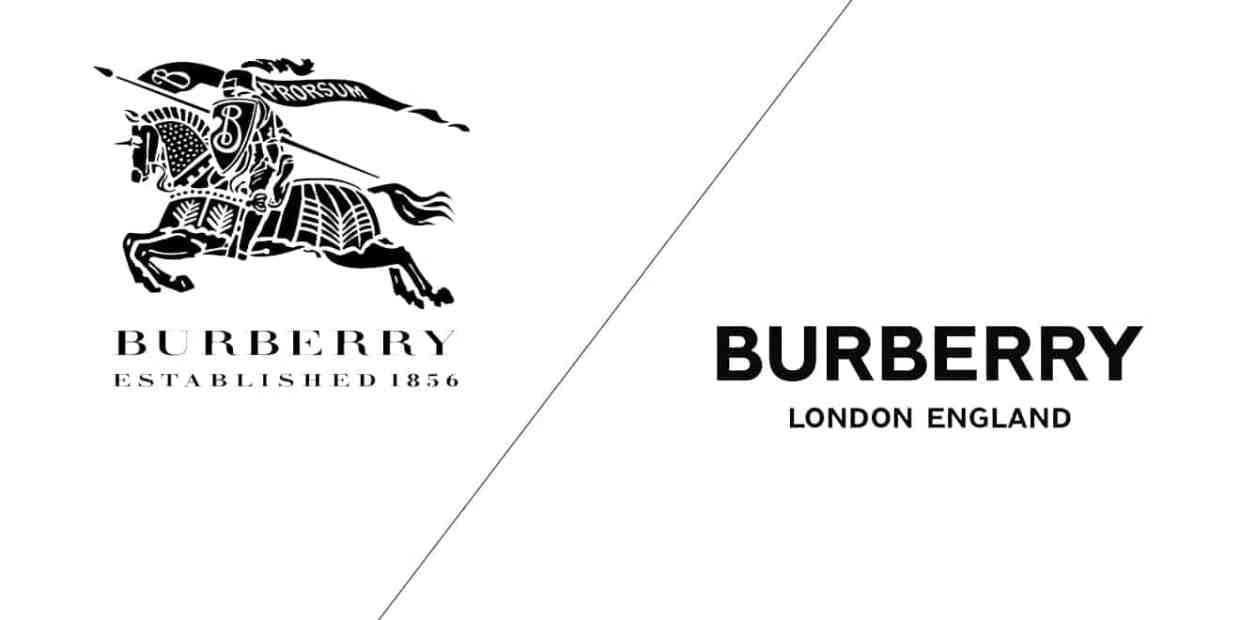
This isn't because companies stopped rebranding. Airbnb just overhauled its entire visual system. Burberry relaunched with a new creative direction. Hundreds of B2B software companies pivoted from generic tech branding to something with actual point of view. The work is happening. The budgets are flowing. But the search behavior tells us something the industry hasn't fully processed: companies looking for brand identity work aren't shopping by Googling "brand identity agency."
They're calling the shop that did the work they wish they'd commissioned. They're reaching out to the founder whose portfolio showed up in their LinkedIn feed. They're hiring the 8-person studio that rebranded their competitor. The brand identity market runs on direct outreach, portfolio magnetism, and founder relationships. Search engines are spectators, not kingmakers.
This creates a specific advantage for independent agencies. When discovery happens through work quality rather than SEO ranking, the playing field flattens. A holding company's media budget means nothing. A network's "global capabilities" deck doesn't matter. What matters: did you do iconic work that other CMOs want to emulate? And on that metric, small studios are running the table.
The Portfolio-First Positioning Model
Brand identity work lives or dies on portfolio strength. A CMO considering a rebrand doesn't want to see case studies about "process" or "strategic frameworks." They want to see finished work that makes them feel something. Work that looks like nothing else in their category. Work that takes a creative risk and lands it.
Independent branding studios structure their entire business model around this reality. They take fewer clients. They push harder on creative direction. They say no to work that doesn't advance the portfolio. The 12-person shop can afford to be selective in ways the 400-person holding company network can't. When your overhead is three people's salaries and Figma licenses, you can turn down the safe corporate rebrand and hold out for the project that becomes a portfolio centerpiece.
This selectivity compounds. Great portfolio work attracts great clients, which enables more great work, which attracts better clients. The virtuous cycle runs faster for small studios because they can move the entire shop toward a single creative vision. No politicized approval chains. No "let's align with the network's other capabilities." Just a small team making a creative bet and executing it at the highest level they can manage.
The holding company model optimizes for different outcomes. Utilization rates. Cross-selling opportunities. Satisfying multiple stakeholder groups across a client's organization. These are rational business objectives, but they're creativity killers for brand identity work. The best visual identity projects come from a singular creative vision executed with zero compromise. That's structurally easier to achieve with 8 people than with 80.
Every project either strengthens the portfolio or dilutes it. Independent studios understand this math. They can't afford passengers. They can't afford the rebrand that pays well but produces mediocre work. Their survival depends on maintaining portfolio quality because portfolio quality is their only distribution channel. Holding companies diversify that risk across dozens of service lines. Independent studios concentrate it. That concentration forces discipline.
Why Founders Win High-Stakes Rebrand Conversations
When a company stakes its market positioning on a visual rebrand, the decision-making process gets intensely personal. The CMO is putting their reputation on the line. The CEO is signing off on something that will define how the company shows up for the next five years. These aren't transactions. They're creative partnerships formed through trust.
Founder-led agencies have a structural advantage in building that trust. The person pitching the work is the person doing the work is the person whose reputation rides on the outcome. No account executive intermediary. No "I'll need to check with our creative director." The founder's portfolio is their personal portfolio. Their taste is the agency's taste. When a CMO hires a founder-led studio, they're hiring a specific creative sensibility, not a set of services.
This shows up in how the conversations happen. Independent studio founders talk about creative vision, cultural tension, and market differentiation. They ask questions about what the brand should mean, not just what it should look like. They position themselves as creative partners who will push the client toward braver choices. That's a very different value proposition than "we have studios in 47 markets and a proprietary brand positioning framework."
The founder relationship also solves for speed. Brand identity projects often move in compressed timelines. A board wants to see new branding before the product launch. A CEO wants fresh identity work ahead of a funding round. A CMO needs to make a visual statement before their conference keynote. Small studios can move fast because the decision-maker is in every meeting. No layers. No approvals. No waiting for "the creative team" to loop in. The founder says yes or no, right there, and the work starts.
That velocity matters more than CMOs admit. The difference between a six-week timeline and a six-month timeline isn't just calendar days. It's opportunity cost. It's market timing. It's whether the rebrand supports the product launch or misses it entirely. Founders can commit to aggressive timelines because they control every variable. They're not coordinating across departments or waiting for resource allocation. They're allocating themselves, immediately.
The Specialization Advantage in a Generalist Market
Holding companies pitch "integrated capabilities" and "full-service solutions." Independent branding studios pitch expertise. They do one thing: brand identity work. And they've structured their entire operation around doing it exceptionally well. That specialization reads as credibility in a market drowning in generalist positioning.
Specialization also enables better creative talent attraction. The best brand designers don't want to work at a holding company where they're expected to also do performance marketing assets and PowerPoint decks. They want to work at a studio where every project is a brand identity challenge, where the creative bar is non-negotiable, where their portfolio will be nothing but high-caliber branding work. Small studios can recruit top-tier creative talent by offering pure creative focus in a way diversified agencies can't match.
The portfolio compounds faster under specialization. When every project is a brand identity project, every finished piece strengthens the studio's positioning in that specific discipline. A generalist agency that does brand identity alongside digital marketing, social campaigns, and web development ends up with a diluted portfolio. A specialist studio ends up with 20 rebrand case studies that all demonstrate depth in the exact capability the next client is hiring for.
This creates pricing power. A CMO shopping for brand identity work will pay a premium for proven expertise over general competence. The specialist can charge more because their portfolio proves they've solved this exact problem multiple times. The generalist has to justify why a client should take a chance on their brand identity capabilities when they're clearly not the primary focus.
Specialization also concentrates learning. When you do brand identity work exclusively, you pattern-match faster. You recognize when a client's internal politics will kill the creative vision. You know which visual directions will test poorly but perform brilliantly in market. You've seen enough rebrand rollouts to predict which implementation details will become expensive problems. That accumulated expertise is difficult to replicate across a generalist agency where brand identity is one service among many.
The market is rewarding this focus. Clients increasingly prefer specialists over generalists for high-stakes creative work. The full-service pitch that worked in 2015 reads as unfocused in 2025. CMOs want the shop that only does the thing they need done, done by people who've done nothing but that thing for years. Independent studios built their entire value proposition on that insight.
The Market Signal Hidden in Zero Search Volume
The keyword data reveals something the industry hasn't fully articulated: brand identity work doesn't flow through search engines because it's not a commodity service. Brand identity procurement happens through referrals, portfolio discovery, and direct founder outreach, not search queries.
This protects independent studios from the biggest competitive threat facing agencies in other disciplines: search engine dominance by holding company SEO budgets. Performance marketing agencies fight brutal SEO wars to rank for "digital marketing agency." Media agencies spend six figures trying to own "programmatic advertising partner." Brand identity studios skip the entire battlefield. Their clients come from Instagram portfolios, conference talks, and CMO group chats. Zero search volume means zero SEO competition.
The absence of search volume also signals creative maturity. Brand identity clients are sophisticated enough to know that Google rankings don't predict creative excellence. They've learned that the agency with the best SEO is rarely the agency with the best design team. So they bypass search engines entirely and go straight to portfolio research. They ask trusted CMO peers who they used. They scroll through design blogs looking for work that resonates. They find the shop through the work, not through keywords.
This benefits independents disproportionately. When discovery happens through finished creative work rather than marketing spend, the advantage shifts to whoever makes the most distinctive work. A 6-person studio can out-portfolio a 600-person network if those 6 people are more selective about what they ship. And they usually are.
The search invisibility also creates pricing opacity that favors specialists. When clients can't comparison shop via Google, they can't easily benchmark pricing. The independent studio quoting $200K for a rebrand isn't competing against 47 other agencies in search results all advertising their rates. They're competing against the two or three other shops the CMO found through portfolio research. That smaller competitive set supports premium pricing for demonstrably superior creative work.
Where This Goes Next
The brand identity market is heading toward even more specialization. As visual systems get more complex (design tokens, component libraries, motion principles, dark mode variations, accessibility requirements), the expertise required to execute world-class brand identity work gets deeper. That expertise lives in specialists, not generalists.
This will pressure holding companies to choose: either spin off dedicated brand identity studios with real creative autonomy, or concede the high-end market to independents. The middle path (trying to offer brand identity as one capability within a full-service network) will increasingly fail to compete against studios with singular focus.
Independent studios are also getting better at packaging their work for portfolio distribution. More case studies shot as video. More process documentation. More behind-the-scenes content that shows the creative thinking, not just the final logo. This content doesn't rank in search engines, but it circulates in the places CMOs actually spend time: LinkedIn feeds, design platform featured sections, industry newsletter roundups.
The distribution channels are shifting too. Behance and Dribbble matter less. Private CMO communities and invite-only Slack groups matter more. The best brand identity work gets discovered through trusted networks, not public galleries. Independent studios are building direct relationships within those networks, showing up where procurement conversations actually happen.
Some independent studios are experimenting with productized offerings: brand identity packages at fixed prices with defined scopes. This sounds like commodification, but it's actually the opposite. It's a way to filter for clients who value process over customization, freeing up creative bandwidth for the projects that become portfolio centerpieces. The productized work pays the bills. The custom work builds the reputation.
The zero search volume data will stay zero. Brand identity work won't suddenly become a high-volume search category. It's too high-stakes, too creatively nuanced, too dependent on portfolio fit. But that's exactly why independent studios keep winning it. They've built businesses optimized for a market where search engines are irrelevant and creative excellence is everything. That's not a survival strategy. That's structural advantage in its purest form.
Holding companies will continue trying to compete on brand identity work. They'll acquire boutique studios and promise creative autonomy. Some of those acquisitions will work for a while. Most will see their best talent leave within 18 months as the holding company priorities override creative priorities. The structural incentives are just different. A holding company needs utilization and cross-selling. An independent studio needs portfolio quality. Those objectives create different work.
The next five years will separate the independent studios that understand this advantage from those that don't. The studios that stay small, stay selective, and stay focused on portfolio-building will capture increasing market share of high-value rebrand work. The studios that try to scale into mini-holding companies will discover they've optimized away the exact advantages that made them competitive. Size is not the strategy. Selectivity is.
Free Agency Media Editorial
All newsYou might like
Gaming Agencies Thrive in a Category That Doesn't Exist on Google
Why AI and Web3 Companies Choose Independent Agencies Over Holding Companies
Why AI and Web3 Companies Choose Independent Agencies Over Holding Companies

The Zero-Search Advantage: Why Independents Win Before the Market Knows to Look
The Case Study Arms Race: Why Independents Win Through Radical Transparency