

Why SaaS Companies Are Firing Big Agencies for Brooklyn Startups
Venture-backed software companies are bypassing established B2B agencies for independent shops that speak product-market fit as fluently as brand strategy.
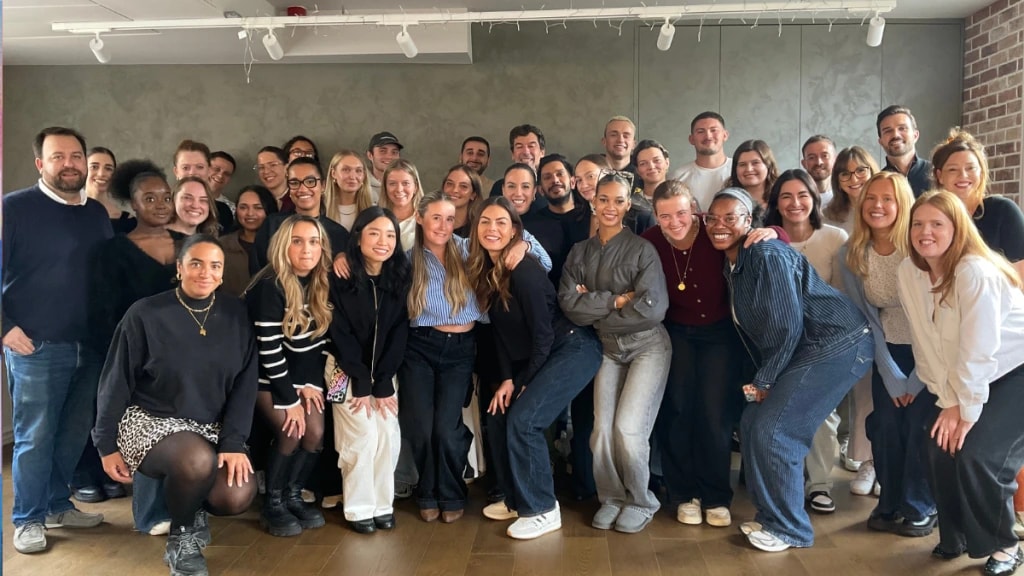
The holding company pitch deck promised "integrated brand and demand." The 12-person shop in Brooklyn delivered a messaging framework the founder implemented across sales, marketing, and product. The SaaS company chose Brooklyn.
This isn't an isolated incident. Over the last 18 months, a quiet shift has reorganized how venture-backed software companies think about branding work. The big B2B agencies that built their reputations on enterprise tech accounts are losing ground to independent shops that didn't exist five years ago. The pattern is specific: companies raising Series A through Series C are bypassing the established players and briefing teams small enough to fit in a conference room. The work getting produced scores higher on client satisfaction surveys and generates measurably better performance in A/B testing. The clients know it.
The shift shows up in search behavior, pitch outcomes, and portfolio composition. Independent agencies are winning B2B tech branding work because they've solved a problem the legacy players haven't figured out: how to speak both brand strategy and product marketing without needing a translator in the room.
The Language Advantage: When Brand Meets Product
SaaS founders don't think in campaign cycles. They think in sprints, roadmaps, and monthly recurring revenue. When an agency walks into a branding pitch talking about "brand essence" and "emotional resonance" without connecting it to user acquisition cost or product-market fit, the conversation stalls. The founder nods politely. The agency doesn't get the work.
Independent shops cracked this by hiring differently. The traditional B2B agency staffs up with advertising creatives who learned their trade at CPG or retail agencies. The new generation of indie SaaS branding shops hired people who actually worked at software companies. Former product marketers. Ex-startup operators. People who spent years inside companies before they started doing brand work. They don't just understand positioning statements. They understand positioning in the context of competitive differentiation, pricing tiers, and go-to-market strategy.
This creates a fluency gap. When a founder says "we need to clarify our ICP before we finalize messaging," the traditional B2B agency asks what ICP means. The independent shop with former SaaS operators on staff starts asking about deal size and sales cycle length. One conversation sounds like client education. The other sounds like collaboration.
Software development operates on two-week sprint cycles. Features ship continuously. Product roadmaps shift based on user feedback and competitive moves. A branding agency that treats brand strategy as a six-month deliverable followed by rigid guidelines doesn't match the operational reality of how software companies actually work. The companies building messaging frameworks that can flex with product pivots and iterate alongside feature releases are winning the work. Those shops tend to be small, nimble, and structured like software teams themselves.
Speed as Strategy: Why Iteration Beats Perfection
The traditional brand development process was designed for companies that launched products annually and planned campaigns quarterly. Research phase: eight weeks. Strategy development: six weeks. Creative exploration: twelve weeks. Holdcos built their pricing models and team structures around these timelines. SaaS companies can't wait that long.
A Series B software company raising $40 million needs to rebrand, reposition, and relaunch before the funding announcement. That's a four-week window, not a four-month engagement. The pitch question isn't "can you do great work?" It's "can you do great work by the end of Q1?"
Independent agencies structured around speed have a decisive advantage. A 15-person shop doesn't need three layers of approval to iterate on a tagline. The strategist who wrote the brief is in the same room as the designer building the system. When the founder gives feedback on Tuesday, the revised concepts ship Wednesday. The entire feedback loop compresses from weeks to days.
This speed advantage compounds when the engagement extends beyond launch. Software companies don't brand once and forget it. They're constantly testing new messaging in ad copy, experimenting with positioning on landing pages, and adjusting their story as the product evolves. An agency relationship structured around quarterly retainers with built-in iteration cycles beats an agency relationship built around project kickoffs and final deliverables. The former matches how software companies operate. The latter is a relic of how packaged goods companies marketed in 1995.
Pricing models reflect this difference. Traditional B2B agencies price branding work as fixed-scope projects: discovery, strategy, identity system, launch. Independent SaaS branding shops increasingly price as ongoing retainers with defined deliverables per sprint. The language mirrors software: "We'll deliver updated messaging frameworks every two weeks and iterate based on performance data." The founder who just spent the morning reviewing product sprint velocity understands this model immediately.
Venture Portfolio Effects: One Deal Unlocks Ten
Venture capital firms operate portfolio networks. When a GP likes the rebrand their Series B company just launched, they introduce the agency to three other portfolio companies. When a platform team sees cohesive branding across multiple investments, they start making unofficial recommendations. The network effects are real and they're powerful.
Independent agencies figured this out faster than the holdcos did. Landing one VC-backed SaaS client isn't just one client. It's access to the entire portfolio and the firm's platform resources. A 10-person branding shop that does exceptional work for a portfolio company can generate five warm intros in 60 days. The traditional business development model: cold outreach, conference sponsorships, RFP responses. The new model: do great work for one venture-backed founder and let the portfolio economics work in your favor.
This creates a specialization flywheel. The agency that does three SaaS rebrands learns the category patterns. They know which positioning territories are overcrowded. They understand which visual systems signal enterprise credibility versus product velocity. They've seen which messaging frameworks actually close deals and which ones just win creative awards. That pattern recognition becomes the pitch advantage. When a founder asks "have you done this before?" the answer is specific: "We just rebranded two other API-first companies going from developer tool to enterprise platform. Here's what we learned about messaging to CTOs versus CIOs."
The venture portfolio effect also explains why geography matters less than it used to. SaaS companies are distributed. Their investors are in San Francisco and New York. Their customers are global. A branding agency in Boulder or Austin or Raleigh has the same access to venture-backed clients as a shop in San Francisco if they've proven they understand the category. The work happens on Figma and Notion and Zoom. Physical proximity stopped being a competitive advantage when the clients stopped working in offices.
The Pricing Power Question: What Specialization Buys
Generic positioning produces generic pricing. An independent agency that describes itself as "full-service creative" competes on rate cards. An independent agency that positions as "B2B SaaS brand strategy and messaging for venture-backed companies" can charge $45,000 for a six-week positioning sprint and get the brief anyway.
Specialization creates pricing power because it shifts the evaluation criteria. The founder isn't comparing hourly rates across 12 agencies. They're evaluating who has the deepest expertise in their specific problem. When every agency on the shortlist claims they can "do B2B," the decision defaults to price and chemistry. When one agency has a portfolio of eight SaaS rebrands and can speak fluently about product-led growth and developer-first go-to-market strategies, the decision becomes "are they worth the premium?"
The data supports the premium. Independent agencies specializing in SaaS branding are commanding retainers 30-40% higher than generalist B2B shops of equivalent size. A $25,000 monthly retainer for ongoing brand and messaging work isn't unusual. Neither is $60,000 for a compressed rebrand timeline with built-in iteration. The clients pay it because the alternative is hiring a generalist agency that needs three weeks just to understand the competitive landscape.
This pricing power extends beyond the initial engagement. The ongoing retainer model creates predictable revenue that project-based work never delivers. A shop with six SaaS clients on monthly retainers has $150,000 in recurring revenue before they pitch a single new project. That changes everything about how an agency operates. No more feast-famine cycles. No more scrambling to fill the pipeline between big projects. The business model starts to resemble the clients they serve: recurring revenue, predictable growth, defensible positioning.
Specialization also creates natural upsell opportunities. A client that starts with a positioning and messaging engagement often needs a complete visual identity system. Then they need website design and development. Then they need ongoing content strategy and production to support the new positioning. The agency that understands the full SaaS marketing stack can expand from $40,000 brand projects into $15,000 monthly retainers that run for 18 months. The lifetime value of a SaaS branding client exceeds the lifetime value of a one-off CPG campaign by multiples.
What the Holdcos Are Missing: Culture Match and Decision Speed
The organizational structure of a holding company agency creates friction that independent shops avoid entirely. When a SaaS founder needs to iterate on messaging, they Slack the independent agency's lead strategist. The response comes in two hours. At a holding company agency, the same request goes to an account director who schedules a call with the strategy lead who needs approval from the group creative director to allocate resources. The response comes in two weeks.
Speed of decision-making matters more in SaaS branding than in traditional B2B because the timeline compression is so extreme. A software company going from Series B to Series C can decide to rebrand, execute the rebrand, and launch in the market in 90 days. The traditional agency procurement process alone takes 60 days. By the time the holding company finishes the pitch process, the independent shop has already delivered the first round of work.
The cultural mismatch runs deeper than process. Holding company agencies are optimized for Fortune 500 procurement cycles, legal review processes, and multi-stakeholder approval chains. SaaS startups are optimized for founder-driven decision-making, rapid iteration, and moving fast. When a 28-year-old founder who just raised $50 million walks into a pitch and sees a team of executives in their 50s presenting case studies from insurance companies and pharmaceutical brands, the disconnect is visceral. They want to work with people who understand their world. That often means working with smaller teams who've actually operated in venture-backed environments.
The talent equation factors in too. Holding companies struggle to recruit former startup operators because the compensation models don't align. A product marketer leaving a Series C company to join an agency isn't motivated by the promise of annual 3% raises and a path to VP in 12 years. They want equity, they want autonomy, and they want to work with multiple companies simultaneously. Independent agencies can offer partnership tracks, profit-sharing models, and actual decision-making authority. The holding company HR system can't.
This talent advantage compounds over time. The independent agency that hires three former SaaS product marketers builds institutional knowledge about category positioning, messaging frameworks, and go-to-market strategy. That knowledge becomes the competitive moat. The founders brief them once and trust them to understand the nuances. The holding company team needs six onboarding calls and still asks questions that signal they don't understand how developer tools get adopted.
Forward Signals: Where This Goes Next
The SaaS branding specialization is creating a template other indie shops are already copying. The same pattern recognition and category expertise that works for software companies works for fintech, healthtech, and climate tech. The data shows accelerating vertical specialization. The agencies winning won't be "B2B specialists." They'll be "API-first infrastructure branding" or "embedded finance positioning" or "climate tech go-to-market strategy."
The venture capital ecosystem is accelerating this trend. Firms are building in-house platform teams to support portfolio companies with branding, recruiting, and business development. Some are making direct introductions to preferred agency partners. Others are building lightweight brand guidelines and messaging frameworks that portfolio companies can adapt. This creates an entry point for independent agencies that prove they understand venture-backed growth models. The pitch shifts from "here's our general capabilities" to "here's how we've helped three other companies in your fund's portfolio go from Series A to Series C."
The economic signal is clear: specialization creates pricing power, pricing power creates profit margin, and profit margin creates sustainability. Independent agencies that positioned as generalists are watching SaaS-specialized shops command 40% higher retainers for similar team sizes and overhead costs. That gap will drive more specialization, not less. The next wave of agency founders will launch with vertical focus from day one rather than pivoting into it after three years of generic positioning.
The holding companies will respond, but slowly. They'll acquire SaaS-focused agencies or launch dedicated practices within existing networks. But the structural disadvantages remain: decision speed, cultural fit, and talent models built for different clients. The companies that win this category will be the ones that look, operate, and think like their clients. That describes independent shops more than it describes WPP.
The branding work is too important and too continuous to outsource to agencies that don't understand the business model. Software companies are choosing partners who speak their language, match their velocity, and price like software companies: ongoing retainers, iteration cycles, and strategic partnership. The 12-person shop in Brooklyn isn't an exception anymore. It's the model.
Free Agency Media Editorial
All newsYou might like
Gaming Agencies Thrive in a Category That Doesn't Exist on Google
Why AI and Web3 Companies Choose Independent Agencies Over Holding Companies
Why AI and Web3 Companies Choose Independent Agencies Over Holding Companies

The Zero-Search Advantage: Why Independents Win Before the Market Knows to Look
The Case Study Arms Race: Why Independents Win Through Radical Transparency