18,100 Monthly Searches, One Agency Ranking: The Plus-Size Casting Gap
Brands searching for inclusive casting partners find niche specialists, not major agencies. The capability gap is now a competitive moat.
18,100 people searched for "modeling for plus size" last month. Only one agency in our directory ranks in the top 50 results. The gap between demand and credible supply isn't a content problem. It's a capability problem.
The brands searching aren't looking for a model roster. They're looking for partners who can navigate the operational minefield of inclusive casting without turning a campaign into a cautionary tale. Get the casting wrong and you're not just losing a campaign. You're losing the entire customer segment you were trying to reach.
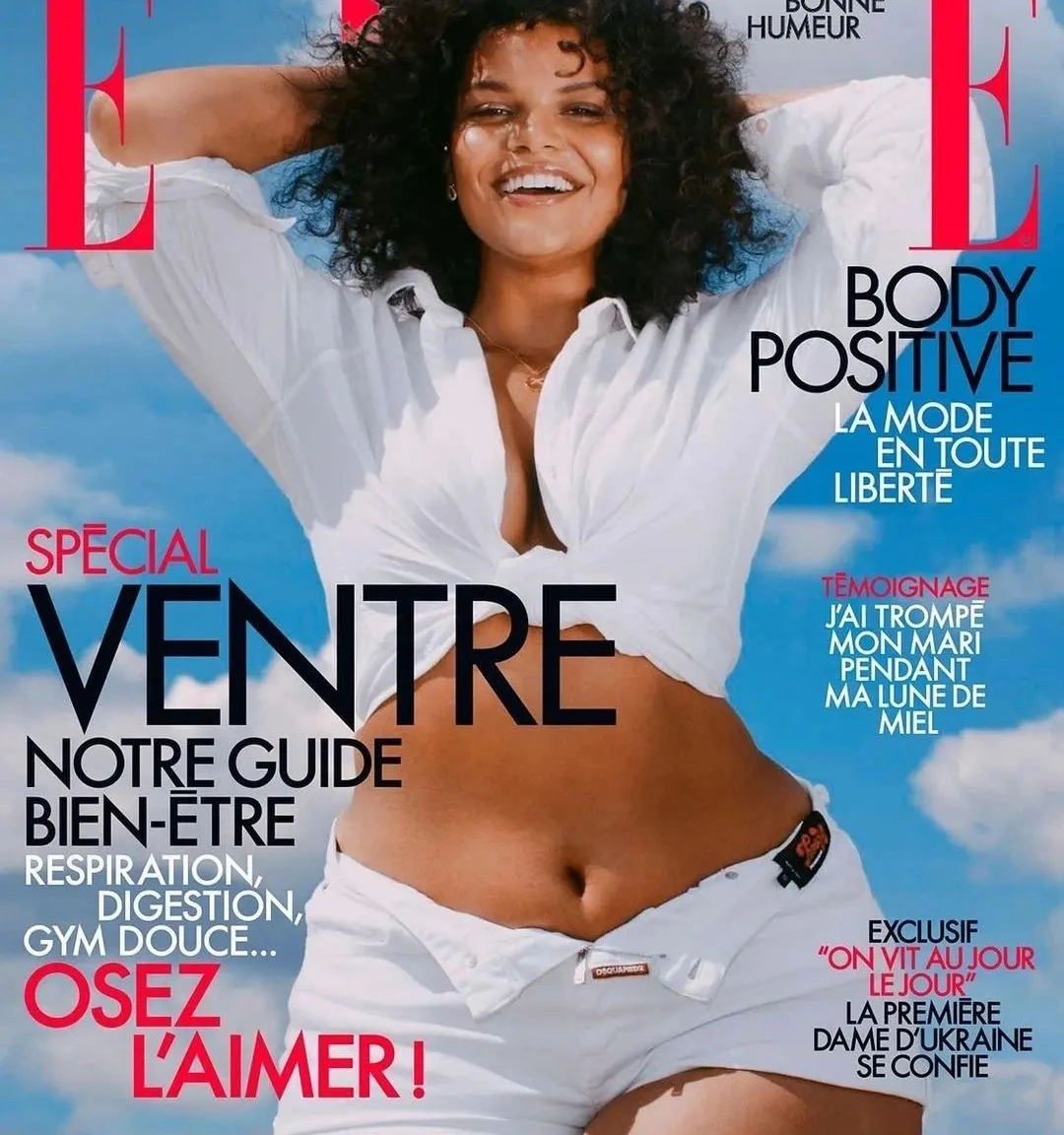
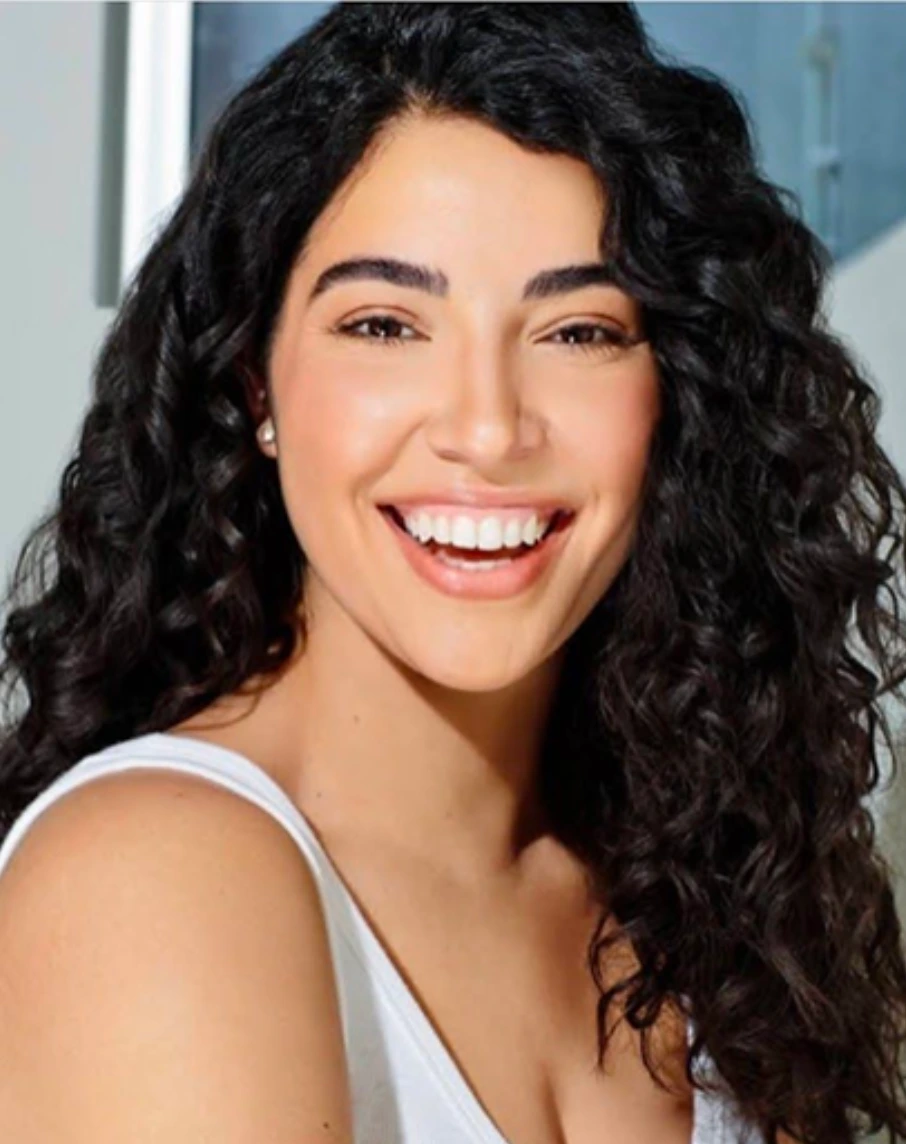
Natural Models in Los Angeles understood this before the search volume proved it. The 11-50 person agency built its entire model around what the holding companies treated as a checkbox: curve, mid-size, and plus-size representation across all backgrounds and identities. Not a specialty division. Not a "diverse talent vertical." The core business. They rank #5 for "modeling for plus size" and #58 for "imani model" (60,500 monthly searches) because they solved the problem the market was actually asking for.
The independents winning this space aren't celebrating inclusion as a value statement. They're selling it as a competitive moat.
The Casting Choice as Strategic Liability
Every brand executive knows the risk calculation. Launch a body-positive campaign with the wrong partner and you're facing two bad outcomes: authentic audiences call performative bullshit, or you accidentally platform someone whose social history turns your campaign into a crisis. The reputational cost is asymmetric. Get it right and you earn trust. Get it wrong and you trend for the wrong reasons.
The holding company model wasn't built to de-risk this. The global agency network with the 200-person casting department sounds impressive until you realize they're pulling from the same talent pools, using the same legacy metrics (measurements, tear sheets, Instagram followers), and applying the same screening frameworks that produced the problem in the first place. The infrastructure is sophisticated. The filter is outdated.
Independents like Natural Models aren't competing on infrastructure. They're competing on curation and context. A roster isn't just about body types. It's about understanding which models can authentically connect with which brand narratives. Which partnerships will read as genuine versus calculated. Which faces will resonate with Gen Z audiences who've been marketed to their entire lives and can smell inauthenticity from a scroll away.
The 33,100 monthly searches for "model modelling agency" (where Natural Models ranks #33) aren't coming from brands looking for standard talent placement. They're coming from creative teams trying to staff campaigns where the wrong casting choice could cost them the client relationship. The search intent is defensive: who can we trust to not blow this up?
Why the Major Agencies Are Losing Ground
The data on what's currently ranking for plus-size modeling terms is more revealing for what's missing than what's there. The top 10 results are dominated by:
- Niche talent agencies building rosters
- How-to-become content aimed at aspiring models
- Facebook groups for industry networking
- Salary guides and job descriptions
Not a single major advertising agency. Not one holding company casting department. Not one integrated marketing shop with a "full-service inclusive casting practice." The SEO gap is the strategy gap. The big shops aren't showing up in search results because they're not building the capability the market is actually requesting.
What's ranking instead are specialists. The pattern is consistent: focused rosters, deep category expertise, authentic relationships with the talent they represent. These aren't agencies that added a "plus-size division." These are agencies where inclusive representation is the founding thesis.
The holding companies have the resources to rank for these terms. They're not deploying them because they're still treating inclusive casting as a service offering within a larger practice, not a specialized capability that requires its own infrastructure. The market is rejecting that model. When a brand CMO searches "modeling for plus size," they don't want the global network's Los Angeles office that also does plus-size. They want the shop that only does this and does it at Fortune 500 scale.
The X Conversation: Temporary Inclusion and Trust Erosion
The social conversation around plus-size modeling reveals why the capability gap matters. Recent threads on X show an industry in active backlash. One widely-shared post noted brands phasing out plus sizes and not hiring plus models as the thin aesthetic rebounds: "all an act" that ignores revenue potential. Another highlighted a model appearing slimmer in recent runway work, with creators calling it "temporary inclusion."
The frustration isn't about representation itself. It's about brands treating inclusion as a trend-responsive tactic rather than a sustained commitment. Fashion journalists reporting on size inclusivity have faced personal body-shaming while covering the topic. Publishers are promoting books on plus-size patternmaking. The plus-size fashion market favors creator-led brands. Yet major fashion houses are reverting to ultra-thin casting.
For advertising agencies, this creates the strategic opening. Brands can't afford to be on the wrong side of this conversation. The Gen Z audience that drove the initial push for body diversity hasn't disappeared. They've gotten more sophisticated about distinguishing authentic representation from marketing performance. The agencies that can help brands navigate this distinction, who can vet talent, educate clients on what reads as genuine versus calculated, who can explain why a certain casting choice will land versus backfire: they own a capability the holding companies can't replicate by adding headcount.
Natural Models' positioning as "revolutionizing the fashion industry" works because it acknowledges the default was broken. The agency isn't claiming to do diversity better than the establishment. It's claiming the establishment's frameworks were designed to produce the wrong outcomes. That's not a marketing line. That's an operational thesis. The brands searching for casting partners aren't looking for shops that responded to the trend. They're looking for shops whose entire model is the response.
The Vendor Vetting Problem and Client Education
The operational challenge for brands is vendor risk. Partner with the wrong modeling agency and you inherit their gaps. Their screening processes. Their definition of "inclusive." Their understanding of which identities need representation versus which are being tokenized. The reputational risk flows upward. The brand takes the heat. The agency gets quietly rotated out.
This is where independents are building the moat. Natural Models' focus on "equal opportunities for straight size, mid-size, curve, and plus size models of all backgrounds and identities" isn't aspirational language. It's a vendor vetting standard. The agency has to answer: how do you define mid-size versus curve? How do you source talent that represents the full spectrum of the audience the brand is trying to reach? How do you audit your own roster to ensure you're not just shifting one kind of homogeneity for another?
The holding company casting departments don't typically get these questions because the brands assume they've already solved them. The infrastructure creates the illusion of solved. But the capability gap is in the details. Does the agency understand the difference between body-positive casting (celebrating all bodies) versus body-neutral casting (not centering body as the story)? Can they explain why certain model choices will resonate with a size-18 customer versus appearing like the brand is trying too hard? Do they have relationships with talent who can authentically represent different body types without it reading as a "before" picture in someone else's transformation narrative?
These aren't abstract questions. These are the briefing conversations that determine whether a campaign launches or gets killed in testing. The agencies that can educate clients through this complexity, who can explain the nuance without making the brand team feel like they're being scolded, win the long-term relationship. The pitch isn't just about the talent roster. It's about de-risking the choice to work with that roster.
The 161,200 Monthly Search Reality
The total search volume across the modeling and inclusive casting cluster is 161,200 monthly searches. The vast majority of that volume is going to niche talent agencies and how-to-become content. Almost none of it is flowing to integrated advertising agencies with casting capabilities. The opportunity isn't in ranking for these terms directly. The opportunity is in understanding what the search volume represents: brands and creatives trying to solve a problem the major agencies aren't addressing at the capability level.
9,900 people per month search "model agency los angeles" and "la modeling agencies." They're not looking for the biggest roster. They're looking for the agency that specializes in what they need. Natural Models ranks #42 for both terms, not because they're outspending competitors on SEO, but because they're one of the few credible results when someone adds "plus size" or "inclusive" to the query. The long-tail search is where the intent clarifies. The brands searching base terms and then refining to "plus size" are self-qualifying. They know what they need. The question is who can deliver it.
The fact that only one agency in our directory ranks in the top 50 for the primary cluster terms isn't a data gap. It's a market signal. The independents that should be competing here, the 50-150 person creative shops with client rosters that include body-positive brands, the agencies pitching Gen Z-focused campaigns, the studios building influencer partnerships with plus-size creators: they aren't building the casting capability as a first-class offering. They're treating it as something you bolt on when the client brief requires it.
That model worked when inclusive casting was a periodic ask. It doesn't work when it's table stakes. The brands brief the requirement upfront now: "We need inclusive casting across body types, and we need it to feel authentic, not performative." The agency that can't answer "here's our process for ensuring that" loses the pitch before the creative presentation.
Table Stakes for Pitching Gen Z Brands
The competitive moat thesis only holds if the capability becomes non-negotiable. The early signal: inclusive casting is moving from nice-to-have to must-have in RFPs for any brand targeting audiences under 35. The briefs increasingly include language around "authentic representation," "body diversity," and "avoiding tokenization." The brands aren't just asking for it. They're asking agencies to demonstrate how they deliver it.
This shifts the pitch dynamic. The holding company answer: "We have a global casting network with access to diverse talent pools and established relationships with major modeling agencies." The independent answer: "We partner with Natural Models, the LA-based agency that specializes exclusively in curve, mid-size, and plus-size representation. Here's how we collaborate on vetting, here's how we handle client education, here's the process for ensuring the casting choices align with brand positioning versus appearing opportunistic."
The first answer is about scale. The second answer is about specificity. In an RFP process where the client is explicitly worried about getting representation wrong, specificity wins. The brand doesn't want to hear about access to thousands of models. They want to hear about the 12 models you'd recommend for this particular brief and why each one is the right choice for reaching this particular audience without creating blowback risk.
The agencies building this capability are treating it like any other specialized vendor relationship. They're not trying to bring casting in-house. They're building partnerships with specialists and then translating that expertise into client-facing value. The pitch becomes: "We don't just have diverse casting. We have a partner who only does diverse casting, and we've built a workflow for integrating their expertise into our creative process."
That's not a workaround for not having in-house casting. That's a strategic choice. The specialist partner is better at this than any in-house team would be. The independent agency's role is curation and client management. Let the modeling agency handle the talent. The creative shop handles the creative application of that talent. The holding company model tries to own both. The independent model recognizes they're different capabilities that scale differently.
Forward: The Authenticity Arms Race
The next phase isn't about whether brands commit to inclusive casting. Most already have. The next phase is about who can help brands do it in a way that audiences actually believe. The X conversations reveal the trust erosion. The industry went through a body-positivity moment that felt more like a marketing trend than a structural shift. Audiences noticed. Now they're skeptical. The brands that want to compete for Gen Z and Millennial customers can't afford to be grouped with the retreats.
The agencies that own this capability will win client relationships that extend beyond individual campaigns. Inclusive casting isn't a one-time brief. It's an ongoing operational requirement. Once a brand commits to representing their full customer base in their creative, they need a partner who can consistently deliver that without it feeling forced. That's not a project. That's a retained relationship.
Natural Models' ranking position (#5 for "modeling for plus size") matters less than what the ranking represents: a market increasingly searching for specialists. The holding companies have the resources to compete. They're choosing not to because they're still treating this as a service line within a larger offering. The independents are treating it as a core capability. The search volume gap of 161,200 monthly searches with almost no major agency presence is the evidence: the market is asking a question the establishment isn't answering.
The brands that figure this out first won't just win the RFPs. They'll own the relationships with the clients that can't afford to get representation wrong. That's not a niche. That's the entire market moving forward. The only question is which agencies recognize it in time to build the capability while it's still a competitive advantage versus after it becomes table stakes.
The gap between 18,100 monthly searches and one credible agency ranking won't last. The question is whether the next agencies filling that gap will be the independents building specialist partnerships or the holding companies finally realizing the capability is worth the investment. The search data says the market is waiting. The social conversation says the trust is eroding. The agencies that move now own the position. The agencies that wait will be competing on price for a commodity service.
That's not speculation. That's math. 161,200 searches per month and almost no one capturing the intent at the agency level. The brands are searching. The question is who's ready to answer.
Free Agency Media Editorial
All newsAgencies in this story
You might like
Gaming Agencies Thrive in a Category That Doesn't Exist on Google
Why AI and Web3 Companies Choose Independent Agencies Over Holding Companies
Why AI and Web3 Companies Choose Independent Agencies Over Holding Companies

The Zero-Search Advantage: Why Independents Win Before the Market Knows to Look
The Case Study Arms Race: Why Independents Win Through Radical Transparency