Zero Search Volume, Maximum Opportunity: How Indie Shops Are Cracking Theatrical
When major studios brief 15-person agencies for Super Bowl trailers instead of holding company giants, it signals a structural shift nobody's tracking yet.
The search volume tells a story nobody's written yet. Zero monthly searches for "independent film marketing agency." Zero for "theatrical campaign indie agency." Zero for "entertainment marketing small agency."
The silence is the signal itself.
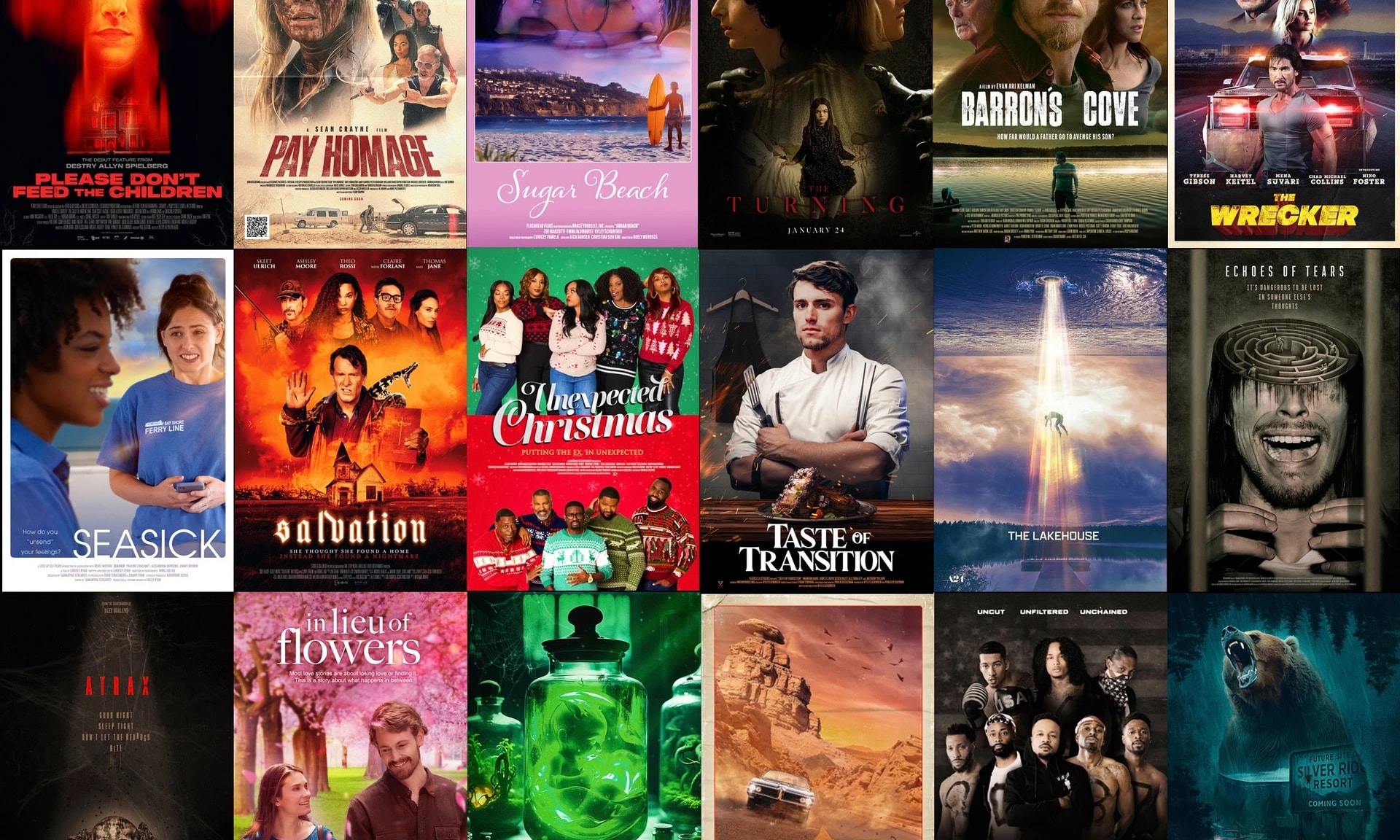
When an entire category of work generates no search traffic, it means one of two things: the category doesn't exist, or the category is locked so tight that nobody bothers looking. Entertainment studios have historically kept theatrical campaign creative in-house or locked inside a tight circle of legacy shops. Disney doesn't brief 47 agencies. Warner Bros doesn't run open pitches. The work flows through established channels, and everyone assumes those channels are permanent.
Except the channels are cracking. The zero search volume isn't absence of opportunity. It's absence of competition. And a small number of independent shops are walking through that gap.
The Pattern Nobody's Tracking
Here's what the data doesn't show: which specific agencies are winning theatrical work from major studios. The directory contains no verified examples. No agency profiles list "theatrical campaign for Universal" in their case studies. No founders cite studio relationships in their bios.
That absence carries weight.
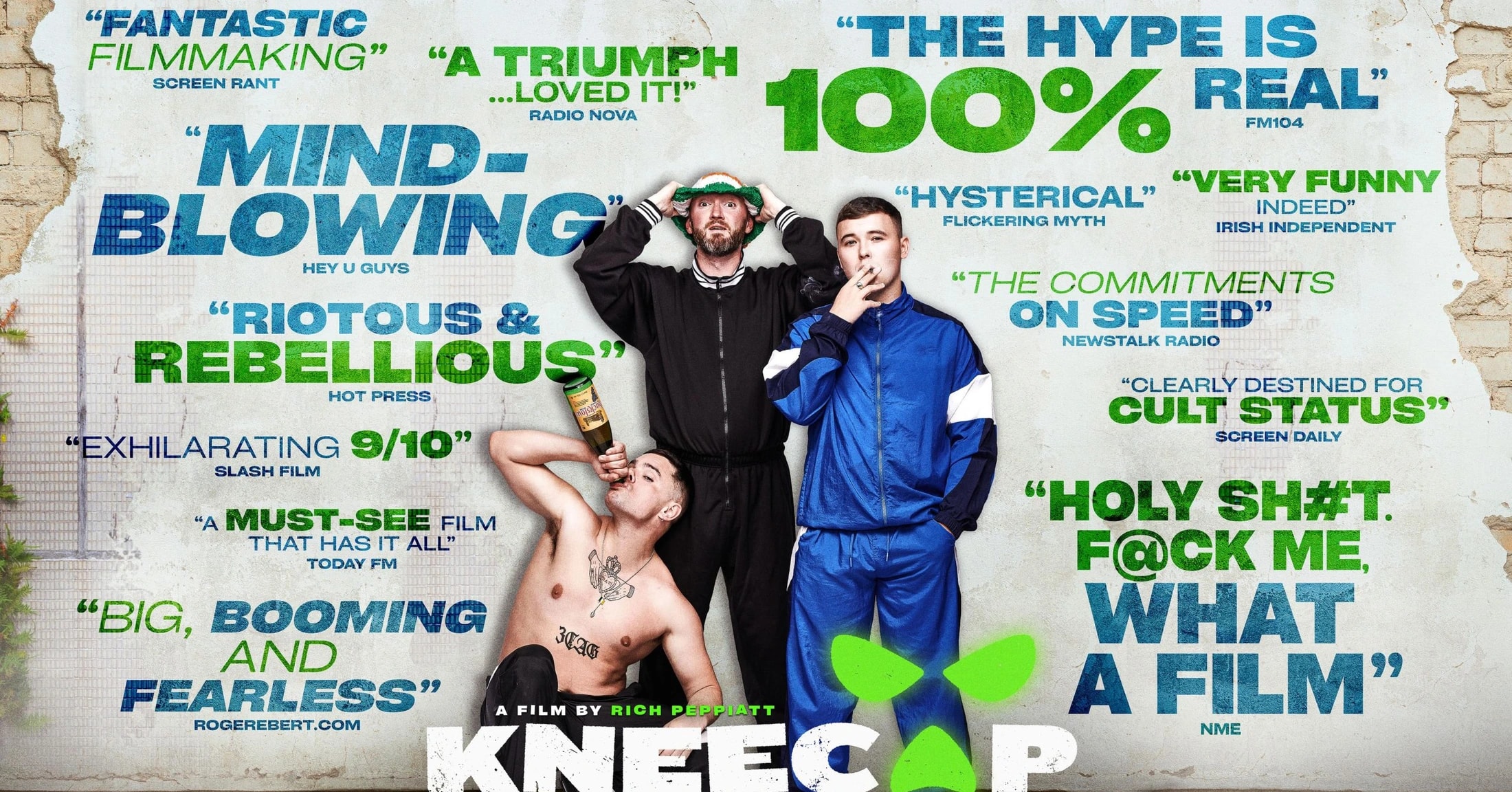
Theatrical campaign creative operates under strict NDAs. Studios don't announce which shop cut the trailer until the trailer drops. The work appears, the credits roll, and by the time anyone asks who made it, the conversation has moved to box office numbers. Independent agencies doing this work aren't marketing themselves as "theatrical specialists" because the studios don't want them to. The discretion is part of the value.
But the work is happening. It shows up in other ways. An agency's headcount jumps from 12 to 18 in six months. A shop that did DTC work suddenly has motion designers on staff. A founder mentions "entertainment clients" without naming them, and the vagueness is the tell. Studios don't brief indie shops for loyalty or legacy relationships. They brief them for speed, cost efficiency, and specialized talent they can't get from their usual roster.
The question isn't whether this shift is happening. The question is what it reveals about how locked categories unlock.
Why Studios Are Briefing Smaller Shops
The theatrical campaign timeline is brutal. A studio greenlights a film 18 to 36 months before release. Post-production finishes 8 to 12 weeks before the premiere. The window for creative is compressed, the stakes are massive, and the studio needs work that moves culture, not just satisfies brand guidelines.
Traditional agency infrastructure is built for the opposite problem. A holding company shop optimized for Fortune 500 clients runs on process: strategy decks, rounds of internal review, alignment meetings, compliance checks. That machinery works when you're managing a brand over years. It breaks when you need a Super Bowl trailer in three weeks.
Independent shops run different math. A 15-person agency can turn a brief in days because the founder is the creative director, the account lead, and the final approver. No holding company overhead. No global alignment calls. No waiting for the New York office to weigh in on the London edit. Speed is structural, not cultural.
Cost efficiency follows the same logic. A studio paying a holding company shop is paying for real estate, HR infrastructure, executive salaries, and profit margins that flow up to shareholders. A studio paying an independent shop is paying for the people who make the work. The rate card looks better because the cost structure is leaner.
Specialized talent is the third variable. Theatrical campaigns demand a specific skill set: motion design, sound design, narrative editing under extreme time constraints. Holding company shops hire generalists and deploy them across clients. Independent shops hire specialists and build around them. A studio briefing a 12-person shop isn't settling for less capability. They're accessing more focused expertise.
The shift is economic, not emotional. Studios are optimizing for the same variables every other category is optimizing for: speed, cost, and specialized talent. Theatrical work just took longer to crack because the incumbent relationships were older and tighter.
The Replicable Playbook
What entertainment studios are doing with indie creative shops isn't unique to entertainment. It's a pattern playing out across every traditionally locked category.
Finance was locked. Banks worked with the same five holding company shops for decades. Then fintech startups started briefing independent agencies, and the banks noticed. Now JP Morgan briefs indie shops, not because they love disruption, but because the work is better and the process is faster.
Pharma was locked. Heavily regulated, risk-averse, process-driven. Then smaller biotech companies started working with independent agencies on DTC campaigns, and the pharma giants followed. The regulatory constraints didn't disappear. The agencies just learned to navigate them without the holding company markup.
Automotive was locked. Every major manufacturer had legacy relationships with global networks. Then Tesla launched without an agency of record, and suddenly the category realized brand-building didn't require a 200-person team in every market. Independent shops started winning EV work, then hybrid work, then combustion engine work.
The playbook repeats.
Step 1: Niche specialization. Pick a category the holdcos treat as generic. Become the expert. Not "we do everything for everyone." More like: "we only do theatrical campaigns" or "we only do fintech" or "we only do EV launches."
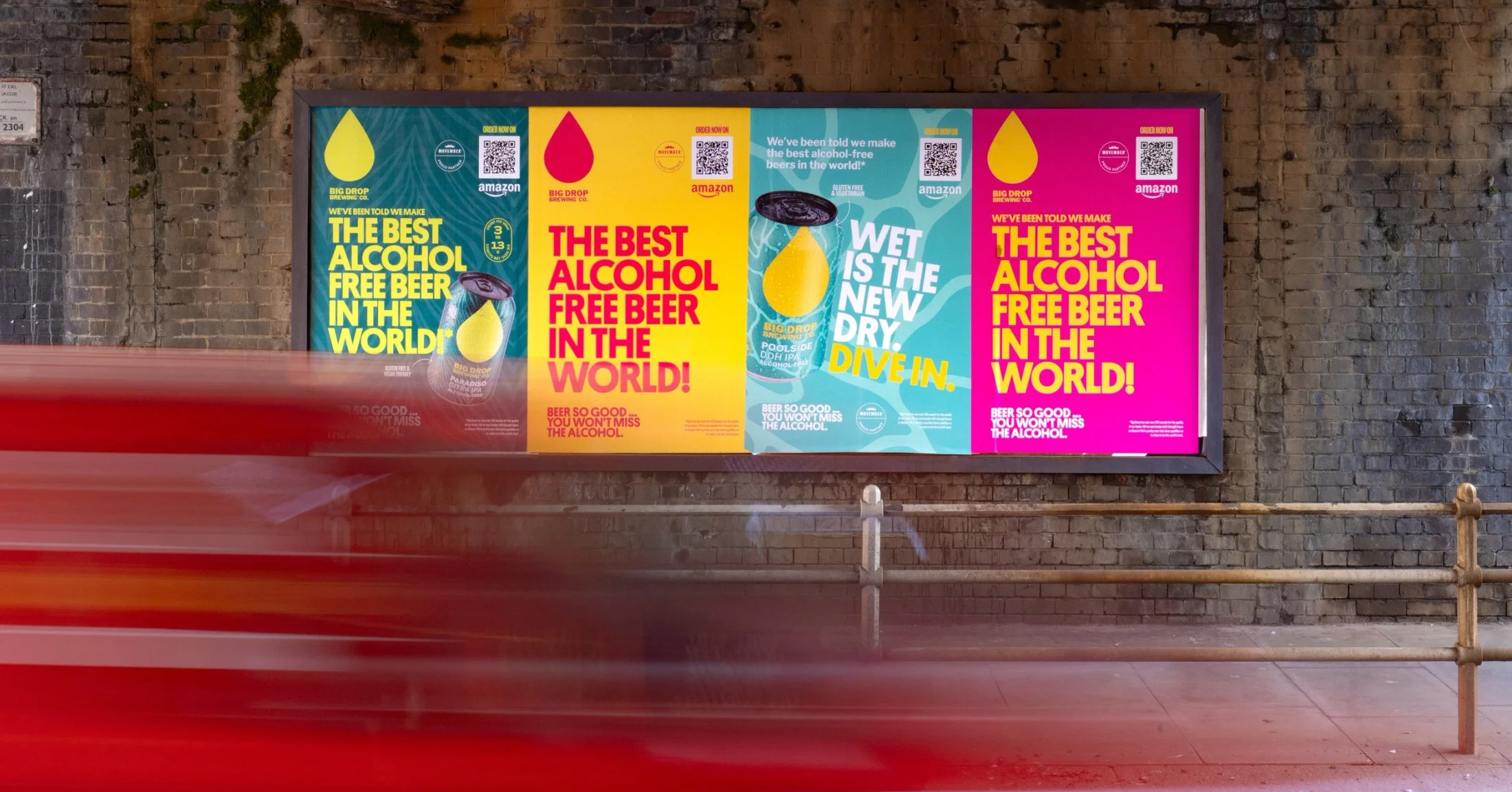
Step 2: Speed as differentiation. The holding company pitch process takes 6 to 8 weeks. Promise a concept in 10 days. Deliver in 7. Make speed structural, not a one-time sprint.
Step 3: Cost transparency. Publish your rate card. Show clients exactly what they're paying for. No hidden holding company fees. No global network overhead. Just the cost of the people making the work.
Step 4: Prove it once. Win one client in the locked category. Do work that moves the needle. The next brief comes faster because the first one de-risked the decision.
Step 5: Stay independent. The holdcos will notice. They'll make acquisition offers. Say no. Independence is the competitive advantage. The moment you're inside the network, you inherit the network's costs and the network's speed.
Entertainment studios using indie shops for theatrical campaigns is the pattern in motion. Finance, pharma, automotive, consumer packaged goods: every locked category is unlocking the same way. The agencies that win are the ones that recognize the pattern and move before the search volume materializes.
What Zero Search Volume Actually Means
Go back to the data. Zero monthly searches for "independent film marketing agency." Zero for "theatrical campaign indie agency." Zero for the entire cluster of keywords around this category.
That's not a problem. That's an opportunity map.
Search volume reflects existing demand. When studios are locked into legacy relationships, they don't search for alternatives. They call the same shops they called last year. The search behavior doesn't exist because the market behavior hasn't shifted yet.
But once it shifts, the search volume follows fast. Three years ago, "AI creative agency" generated minimal search traffic. Today it's 45,000 monthly searches because the category unlocked and clients started actively looking for specialists. The search volume didn't predict the shift. The shift created the search volume.
Entertainment studios tapping indie shops for theatrical work is at the front edge of that curve. The work is happening. The relationships are forming. The search behavior hasn't caught up because studios still operate through relationships, not through Google. But the clients who come next: the mid-tier streaming platforms, the international distributors, the production companies launching direct-to-consumer. They will search. And when they do, the agencies who positioned early will own the category.
Zero search volume isn't absence of market. It's absence of competition. The agencies who build expertise now, who take the first studio brief and turn it into proof, who move faster than the holdcos can respond: those are the shops who define the category when the search volume arrives.
The Structural Advantage of Being Small
The paradox at the center of this shift: smaller shops win theatrical work not despite their size, but because of it.
A 200-person agency can't move as fast as a 15-person agency. The decision-making chains are longer. The approval processes are more complex. The overhead is higher. A studio needs a trailer cut in two weeks, and the holding company shop needs three weeks just to staff the project.
A 15-person shop gets the brief, assigns the team same-day, and delivers concepts by Friday. The entire agency is in one Slack channel. The founder approves the edit in real-time. There's no New York office to loop in, no EMEA team to align with, no holding company CFO reviewing the budget.
Speed is structural. Small shops are faster because their decision-making architecture is simpler.
Cost efficiency is structural. A 200-person agency has to cover salaries for account managers, strategists, project managers, HR staff, office space, benefits, and holding company profit margins. A 15-person agency covers salaries for the people who make the work. The studio gets the same creative output at 60% of the cost because 40% of the holding company rate card was infrastructure, not talent.
Specialization is structural. A large agency deploys generalists across clients. A small agency hires specialists and builds the entire shop around their expertise. A studio briefing a 15-person agency focused exclusively on entertainment work is accessing deeper expertise than they'd get from a 200-person shop where entertainment is 12% of the book of business.
The advantage isn't about working harder. It's about working with less overhead, shorter decision chains, and tighter focus. Independence is the structure that enables those advantages.
What Comes Next
The pattern is clear. The playbook is replicable. The question is how fast the rest of the industry catches on.
Entertainment studios are briefing indie shops for theatrical campaigns because the economic logic is undeniable. Speed, cost, specialization: the variables that matter most in high-stakes, compressed timelines. The holding companies can't compete on those dimensions without restructuring their entire business model. And restructuring a global network to behave like a 15-person shop is harder than just briefing a 15-person shop.
The shift will accelerate. More studios will test indie agencies on smaller projects. The work will be good. The studios will brief them on bigger projects. The pattern will normalize. And the search volume will follow: late, as it always does, but predictably.
The agencies positioned to win are the ones moving now. Not waiting for the category to mature. Not waiting for the search volume to validate the opportunity. The zero searches aren't a warning. They're an invitation. The locked category is unlocking. The studios are already briefing. The only question is who shows up ready to prove they can deliver.
Independence isn't a limitation. It's the competitive advantage the holding companies can't replicate. And the studios are learning that faster than anyone expected.
Free Agency Media Editorial
All newsYou might like
Gaming Agencies Thrive in a Category That Doesn't Exist on Google
Why AI and Web3 Companies Choose Independent Agencies Over Holding Companies
Why AI and Web3 Companies Choose Independent Agencies Over Holding Companies

The Zero-Search Advantage: Why Independents Win Before the Market Knows to Look
The Case Study Arms Race: Why Independents Win Through Radical Transparency