
Fortune 500 Retail Brands Are Choosing Agencies You've Never Heard Of
The largest retail and fashion brands are handing core brand platform work to independent agencies, not holding companies. Zero search volume, but the shift is already here.
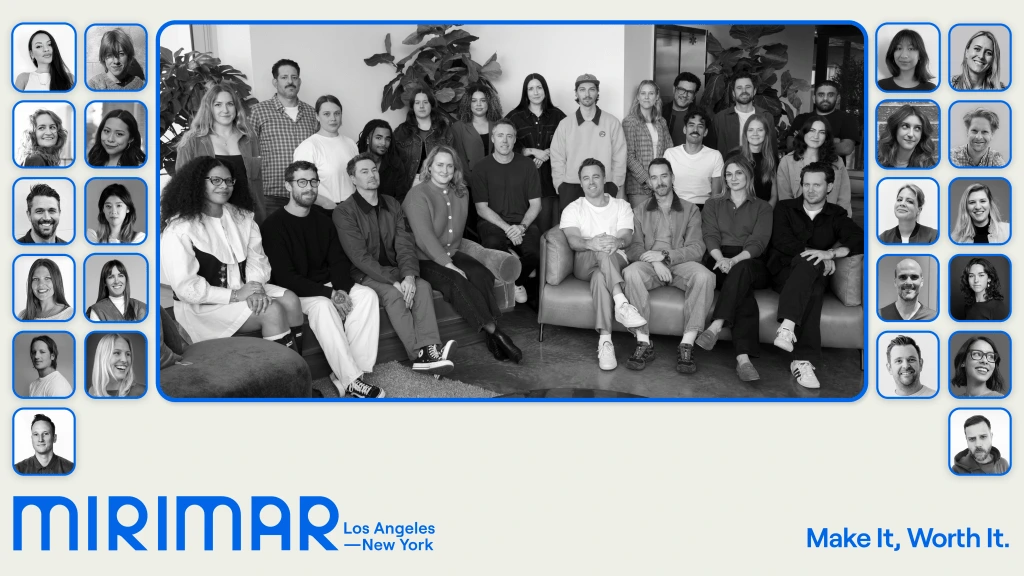
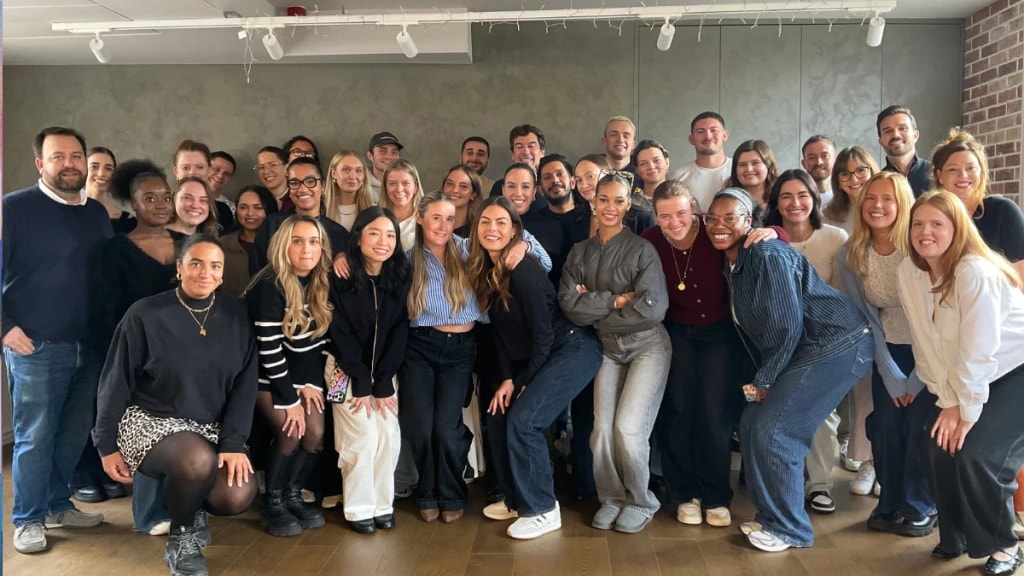
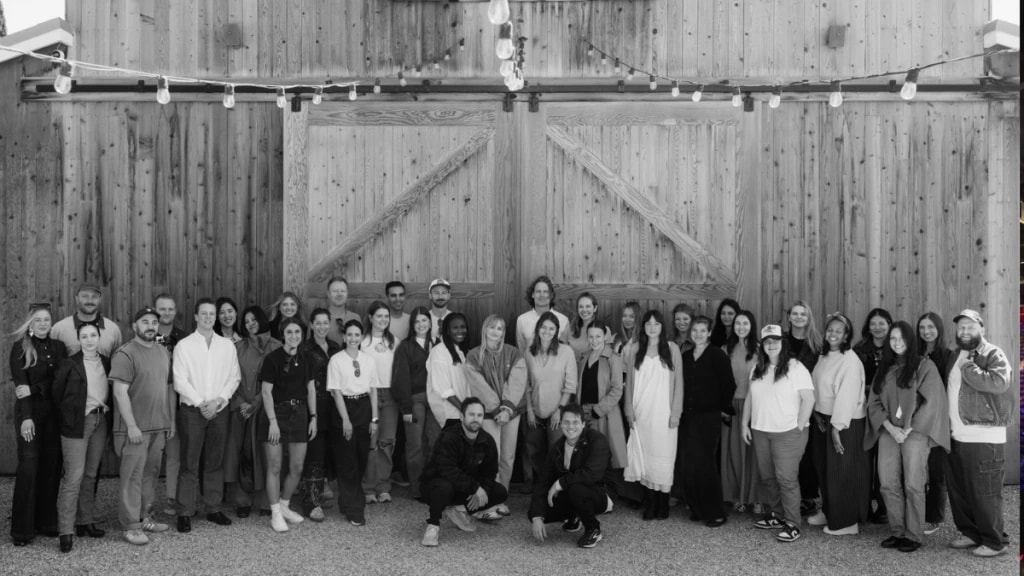
The Fortune 500 retail and fashion brands that built their empires on 30-second TV spots and full-page magazine spreads are handing their brand platform work to agencies you've never heard of. Not the WPP shops. Not the Publicis networks. The 18-person team in Brooklyn. The 25-person studio in Austin. The 40-person collective in LA.
The pattern is unmistakable even if the search volume isn't there yet. "Retail brand platform agencies" gets zero monthly searches. "Fashion marketing independent agencies" gets zero. "Social-first retail campaigns" gets zero. The market hasn't caught up to the shift. But the shift is happening anyway.
What's actually occurring: The largest retail and fashion brands in the world are choosing independent agencies to build the social-first brand platforms that will define their connection to Gen Z and millennial consumers. Not for overflow work. Not for "digital activations" while the holding company handles strategy. For the core brand platform itself. The foundational work that everything else ladders up to.
The independents winning these briefs aren't competing on price. They're competing on a capability the holding companies can't replicate: the ability to build brands that live natively on social from day one, led by founders who understand that a TikTok comment section is more strategically important than a Super Bowl media buy.
The Capability Gap the Holding Companies Can't Close
The traditional agency model was built for a world where brands controlled the narrative. You created the 30-second spot. You bought the media. You measured the reach. The consumer was the audience, not the co-creator.
That model breaks when your brand platform has to function as native content on seven different social platforms simultaneously, each with its own algorithmic logic, its own creator economy, its own community norms. The holding company response has been to bolt social capabilities onto existing structures. Acquire an influencer marketing shop. Build a "content studio." Hire a Chief Digital Officer.
Independent agencies build from the opposite direction. Social isn't a channel. It's the substrate. The brand platform IS the social strategy from conception.
The operational advantage shows up in team structure. At a holding company shop, the strategist writes the brief, the creative team executes, the social team adapts it for platforms, the media team figures out distribution. Four handoffs. Four opportunities for the original insight to get diluted.
At an independent, the team that builds the platform understands how it will live on TikTok, Instagram, YouTube, and emerging platforms because those considerations are baked into the strategic foundation. No adaptation layer. No "now let's make this social." The platform is social-first by design because the team building it thinks in platform logic, not broadcast logic.
This is about structural agility. A 25-person agency can't afford to separate brand strategy from social execution. The same people who develop the platform have to make it work on the platforms. That constraint becomes a capability. The limitation creates the advantage.
Founder-Led Client Relationships at Fortune 500 Scale
The second advantage is less obvious but more powerful: independent agencies are founder-led at a scale that makes holding company account teams look bureaucratic by comparison.
When a CMO at a major retail brand calls her agency contact at a holdco, she's talking to an account director who reports to an account supervisor who reports to a managing director who reports to a regional president who reports to the global CEO who reports to the holding company CFO. Seven layers between the client and the person with P&L authority.
When that same CMO calls an independent, she's talking to the founder. The person who can say yes to the weird idea. The person who can staff the pitch team overnight. The person who will sit in the QBR and actually remember what was discussed because their name is on the door.
This matters more for retail and fashion brands than for packaged goods or automotive because the decision cycles are faster and the cultural windows are narrower. A fashion brand can't wait for the holding company approval chain when a cultural moment demands a response in 48 hours. They need an agency partner who can move at the speed of culture.
The founder-led model also changes the risk calculus. A holdco account team has institutional memory that spans quarters, not years. They're rotated. They're promoted. They're reorganized into new "connected capabilities" structures. The independent founder is betting the agency's reputation on every brief. That produces a different kind of accountability.
Different incentives. Different behavior. Different results.
Cultural Fluency as Core Competency
The third advantage is the one retail and fashion brands care about most: cultural fluency at speed.
Holding companies talk about diversity and inclusion. Independent agencies are structurally more diverse because they hire from different talent pools. Not the Ivy League pipeline. Not the Big 4 consulting track. The creator economy. The DTC startup ecosystem. The kids who built their own brands on Instagram before they could legally drink.
This shows up in the work. When a fashion brand needs to connect with Gen Z consumers, they're not briefing a team that learned social media in workshops. They're briefing people who grew up with algorithmic feeds as their primary information environment. Who understand platform mechanics as native literacy, not acquired skill.
The cultural fluency advantage compounds when you consider how retail and fashion brands actually build loyalty now. It's not about reach anymore. It's about resonance. About understanding the difference between what performs on TikTok's For You Page versus Instagram Reels versus YouTube Shorts. About knowing which creators to partner with not because they have the most followers but because their audience overlaps with your target in ways that aren't visible in the media kit.
Independent agencies don't have research departments that produce cultural trend reports. They have teams who are part of the culture being analyzed. The insight doesn't come from studies. It comes from lived experience. The research is what they already know.
The Experiential Integration Nobody Else Can Deliver
The fourth advantage ties everything together: independent agencies are building integrated capabilities that combine social-first brand platforms with experiential activations in ways holding companies can't match structurally.
Retail and fashion brands understand that their brand platform has to work in physical retail, pop-up experiences, brand collaborations, and social content simultaneously. Not sequentially. Simultaneously.
A holding company handles that through multiple agencies. One for brand strategy. One for experiential. One for social. One for influencer. The integration happens in client-side coordination meetings. If it happens at all.
An independent builds the brand platform with experiential and social as co-equal expressions of the same strategic idea from day one. The pop-up IS the content. The collaboration IS the platform extension. The influencer activation IS the brand story.
The retail and fashion brands choosing independents for brand platform work are explicitly asking for this integrated capability. They're not looking for specialists. They're looking for agencies that think in systems where physical and digital, owned and earned, brand and performance are different outputs from the same strategic core.
The independent agency model makes this possible because the team is small enough that the strategist building the platform is in the same room as the person designing the pop-up and the person planning the creator partnerships. No handoffs. No translation layer. No hoping the integration happens downstream.
The integration is built in because the structure demands it.
What the Search Volume Isn't Telling You
Zero monthly searches for "retail brand platform agencies." Zero for "fashion marketing independent agencies." Zero for "social-first retail campaigns."
The keyword data suggests there's no market. But the market is what retail and fashion CMOs are discussing in closed-door conversations with their teams. The searches will come later. The searches are a lagging indicator of what's already happening in pitch processes and agency selection criteria.
"Retail fashion brands" gets 10 monthly searches. That's noise-level volume. But it's the only keyword in the cluster showing any signal at all. The absence of search volume doesn't mean the trend isn't real. It means the market hasn't standardized the language yet. The behavior is ahead of the vocabulary.
This is what happens when an industry shift occurs at the top end of the market first. Fortune 500 retail and fashion brands aren't Googling for agencies. They're getting referrals from other CMOs. They're fielding inbound from agencies they've seen do the work they want. The search behavior that would create keyword volume happens lower down the market ladder, later in the adoption curve.
Right now, in 2025, the shift is happening in rooms that don't generate search data. The holding companies see it in lost pitches. The independents see it in brief volume. The marketing trades will write about it in case studies six months from now. The search volume will materialize in 2026 when mid-market retail brands start looking for what the Fortune 500 brands are already buying.
The zero searches are the story. They tell you the shift is real precisely because it's not showing up in search data yet.
Why This Shift Accelerates from Here
Three forces are accelerating the move from holding companies to independents for retail and fashion brand platform work. All three are structural, not cyclical.
First: The creator economy is fragmenting brand building in ways that favor smaller, more agile teams. A fashion brand used to need one big agency to produce one big campaign. Now they need 50 creator partnerships, each with its own content requirements, each optimized for different platform mechanics. The holdco model was built for concentration. The independent model was built for distribution.
Second: Retail and fashion brands are shortening their planning cycles because trend cycles are compressing. What used to be seasonal is now monthly. What used to be annual is now quarterly. The holding company quarterly business review doesn't match the pace of the market. Independent agencies that can pivot strategy mid-quarter without restructuring account teams have the operational advantage.
Third: The measurement infrastructure is catching up to social-first brand building. For years, CMOs could justify traditional advertising because the measurement was standardized. Brand tracking studies. Media mix modeling. The metrics the CFO understood. Social-first platforms were harder to defend because the measurement was murky. That's changing. Platform analytics are maturing. Attribution modeling works for social now. The CFO can see the ROI. Which means the CMO can shift budget without fighting the measurement argument.
These three forces compound. More creator partnerships require more operational agility. Faster trend cycles require faster decision-making. Better measurement enables more risk-taking. And all three favor the independent agency model over the holding company model.
The structural advantages aren't temporary. They're getting stronger.
The Institutional Weight Question
The counterargument is scale. A Fortune 500 retail brand needs an agency partner with global reach, production infrastructure, media buying power. The things that holding companies were built to provide.
Except the retail and fashion brands making this shift aren't choosing one or the other. They're building hybrid agency rosters. Holding company for media buying and regional production. Independent for brand platform and social-first content.
The independent doesn't need to replace the holdco entirely. It needs to own the strategically important work. The brand platform. The cultural positioning. The social-first content that drives brand affinity with the consumers who matter most to future growth.
Increasingly, retail and fashion brands are discovering that the "institutional weight" argument works in reverse. The holding company's scale is a liability when you need speed. The global infrastructure is a barrier when you need cultural fluency. The production capabilities are irrelevant when creator-generated content outperforms production company output on every engagement metric.
The indie doesn't need the infrastructure because the infrastructure isn't the competitive advantage anymore. Cultural fluency is. Speed is. Founder-led accountability is.
The weight that used to be an asset is now drag.
Where This Goes Next
The retail and fashion brands choosing independents for social-first brand platform work in 2025 are the early majority, not the early adopters. The early adopters made this shift in 2022-2023. What's happening now is pattern confirmation.
Watch for three developments that signal this shift is becoming structural, not anecdotal.
First: Trade press coverage will increase. Not because journalists discovered the trend but because agencies will start talking about it publicly. Right now, most independents winning this work aren't broadcasting it. Client NDAs. Competitive sensitivity. Basic humility. That changes when the work starts winning awards and the case studies become too good not to share.
Second: Holding companies will respond by trying to build "independent" units inside their networks. Standalone shops with dedicated P&Ls, founder-type leaders, integrated teams. It won't work. You can't create independence inside dependence. But they'll try. And the trying will validate the trend.
Third: The talent flow will accelerate. The strategists and creatives who want to do social-first brand platform work will leave holding companies for independents because that's where the best briefs are. Which will strengthen the independent advantage. Which will attract more talent. Virtuous cycle.
The market is repricing the value of independence for retail and fashion brand work. The zero search volume is the signal, not the noise. When the market knows what it wants before it knows what to call it, that's when the real shift is happening.
The holding companies built an industry around controlling the narrative. The independents are building an industry around joining the conversation. Retail and fashion brands are choosing the latter because their consumers already did.
What comes next isn't a reversal. It's acceleration. The brands that move now are positioning for the next decade of customer relationships. The ones that wait are optimizing for a model that's already obsolete. The search volume will catch up. The shift won't wait.
Free Agency Media Editorial
All newsYou might like
Gaming Agencies Thrive in a Category That Doesn't Exist on Google
Why AI and Web3 Companies Choose Independent Agencies Over Holding Companies
Why AI and Web3 Companies Choose Independent Agencies Over Holding Companies

The Zero-Search Advantage: Why Independents Win Before the Market Knows to Look
The Case Study Arms Race: Why Independents Win Through Radical Transparency