How Design Agencies Became Growth Infrastructure for SaaS Companies
Tech-focused design shops are capturing budgets that once went to performance marketing by reframing brand work as a growth lever, not a vanity play.
The Invisible Brief
Nobody searches for "SaaS branding agencies." Zero monthly queries. The keyword has no volume because the buyers aren't thinking in those terms yet. They're searching for "product marketing agency" (8,100/month) or "B2B demand gen" (2,400/month) or "growth marketing for SaaS" (1,300/month). The language gap tells the story: tech and SaaS brands have been treating brand as a post-Series-C luxury, not a growth input. Until now.
The shift is happening in procurement spreadsheets and pitch decks, not in search behavior. Design-forward independent agencies are capturing budgets that traditionally went to performance shops and product marketing specialists. They're doing it by reframing brand work as a growth lever rather than a vanity play. The pitch isn't "we'll make you look beautiful." The pitch is "we'll make your product easier to sell."
The numbers back the repositioning. B2B SaaS companies now allocate 23% of revenue to marketing, up from 18% three years ago, according to OpenView Partners' 2024 benchmark data. But the distribution of that spend is changing. Traditional categories like demand generation and paid acquisition are holding steady while "brand and positioning" jumped from 7% of marketing budgets to 12% in the same period. That's not decoration money. That's growth infrastructure.
The agencies capturing this spend share three characteristics: They speak the language of product teams. They price like consultancies, not vendors. And they build case studies around pipeline metrics, not award show trophies.
Speaking Product, Not Campaign
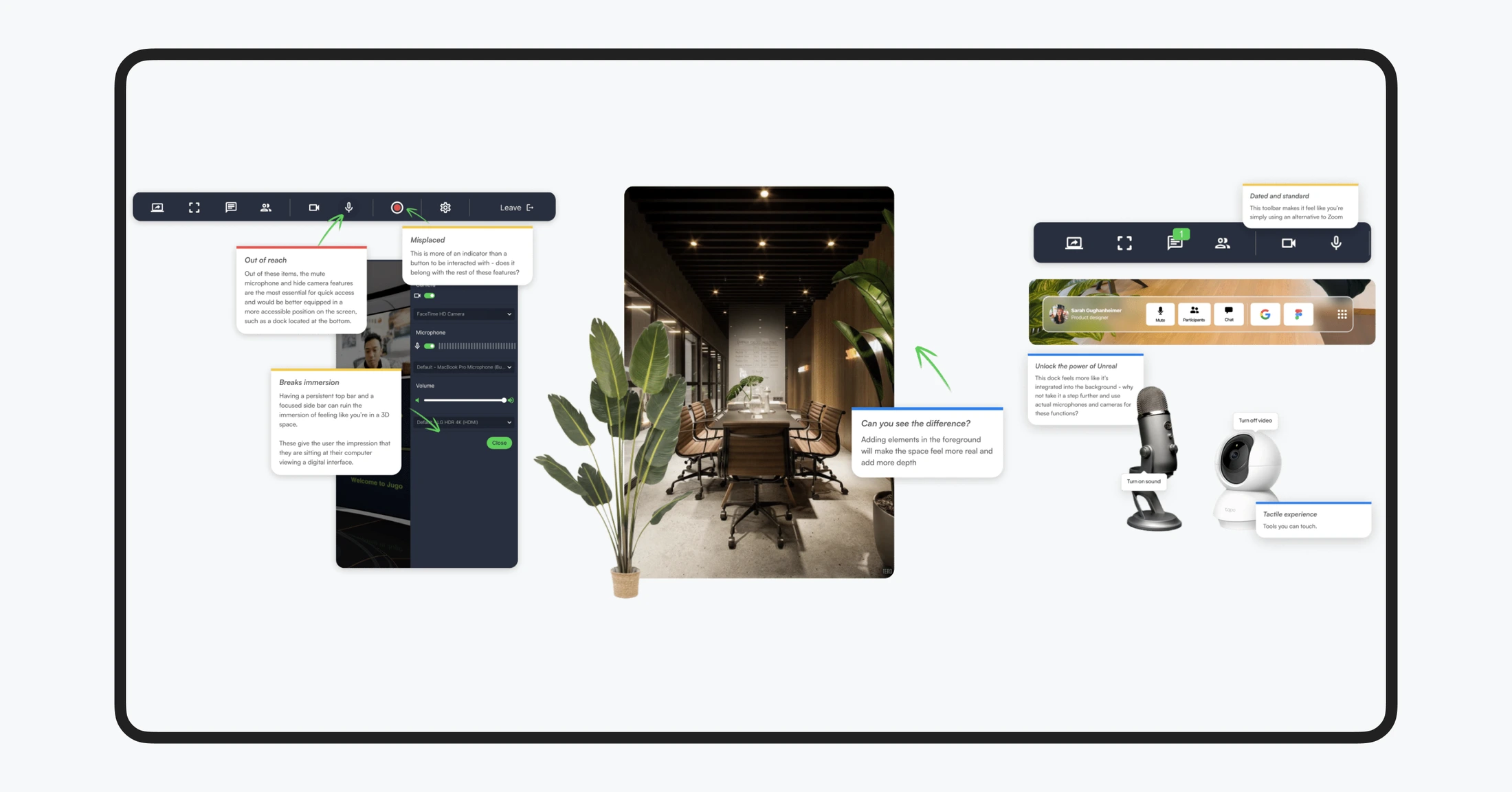
Traditional branding agencies lose tech briefs the moment they say "campaign." Product teams don't think in campaigns. They think in launches, in feature releases, in customer journey maps and conversion funnels. The independents winning this work have learned to translate brand strategy into product strategy. They talk about messaging architecture the way a product manager talks about information architecture.
The vocabulary shift is specific. "Brand positioning" becomes "market positioning." "Visual identity" becomes "product experience system." "Tone of voice" becomes "content design standards." Same work, different framing. The frame determines who controls the budget.
The pitch structure follows product logic. Traditional brand agencies open with philosophy: why brand matters, what brand can do, the power of storytelling. Design-forward indies open with the problem statement. Your ICPs can't articulate what you do. Your sales team has 17 different pitch decks. Your Series B deck says "infrastructure" but your website says "platform." These are product problems that manifest as brand problems.
The deliverables mirror product development. Traditional agencies deliver brand books. Product-fluent shops deliver design systems with component libraries, versioned in GitHub, maintained like code. They build messaging matrices that map to customer segments and use cases, not demographic profiles. They create positioning frameworks that integrate with existing product roadmaps, not separate brand strategies that live in a PDF nobody opens after launch week.
The result: they get invited to product meetings. That's the unlock. Once you're in product meetings, you're infrastructure, not marketing. Infrastructure doesn't get cut when growth slows. Marketing does.
The Consultancy Pricing Model
These agencies don't price like vendors because they don't sell deliverables. They sell outcomes. The shift from hourly rates to value-based pricing mirrors the broader tech industry's shift from services to software. Just as SaaS companies stopped selling licenses and started selling subscriptions, design agencies stopped selling logos and started selling market traction.
The pricing architecture has three tiers. Foundation work gets quoted as fixed-fee projects: $75K-$150K for positioning and messaging, $100K-$200K for a complete visual identity system, $50K-$85K for a design system build. These aren't estimates padded with contingency. They're scoped to specific outcomes: a positioning statement that closes funding rounds, a messaging framework that increases demo requests, a design system that cuts engineering time for marketing pages by 60%.
Retainer work gets priced monthly: $15K-$35K/month for ongoing design partnership, billed quarterly or annually. The retainer isn't "we'll do whatever you need." It's a defined capacity: two product designers embedded with your team, 80 hours of creative direction per month, unlimited design system updates within the existing framework. The structure mirrors how SaaS companies buy enterprise software: predictable monthly costs, quarterly business reviews, annual renewals based on demonstrated value.
Equity participation enters the conversation at Series A and later. Not equity instead of cash. Equity as a signal of conviction. The typical structure: 0.25%-0.75% in stock options vesting over 2-4 years, on top of a reduced cash retainer. The agencies pursuing this model are betting on their own work: if the rebrand genuinely accelerates growth, the equity pays better than the cash would have. If it doesn't, they leave money on the table.
The consultancy comp model solves a specific problem for tech buyers: how to justify brand spend to a board that wants to see CAC payback and pipeline metrics. When you're paying $200K for a rebrand, you're buying a deliverable. When you're paying $25K/month for design partnership plus 0.5% equity, you're hiring a growth partner. The financial structure changes the conversation from "should we spend this much on a logo?" to "should we bring this capability in-house or keep it with specialists?"
The Case Study Rewrite
Design agencies used to showcase beauty. Tech-focused shops showcase business impact. The portfolio site evolution tells the story. Traditional agency case studies open with the creative brief, spend eight slides on process, close with the final deliverables presented in atmospheric photography. Tech-fluent shop case studies open with the business context, spend two slides on solution, close with quantified outcomes.
The metrics are specific. Not "increased brand awareness." Instead: "40% increase in enterprise demo requests in first 90 days post-launch." Not "improved market perception." Instead: "reduced sales cycle from 120 days to 82 days by clarifying product positioning." Not "award-winning identity system." Instead: "$15M Series B raised six weeks after rebrand, with three investors citing clarity of vision."
The attribution is precise. The agencies cite their specific contribution: rebuilding the product marketing site. The 40% increase in demo requests happened in the 90 days following launch. The sequence is documented. The correlation is measurable. They don't claim sole causation because growth teams made simultaneous changes to pricing and packaging. But the timing isn't coincidental.
The format shifts from PDF to interactive. Case studies live on the agency site as web experiences, not downloadable decks. They include real product screenshots, live design system components, and links to the actual work in production. The transparency builds credibility with technical buyers who want to inspect the craft, not just admire the hero image.
The selection criteria inverts traditional agency thinking. Most design shops lead with the biggest brand names: "We worked with Nike and Apple and Google." Tech-focused independents lead with the hardest problems: "We repositioned a cybersecurity platform to break into enterprise" or "We rebranded a dev tools company to appeal to CTOs, not just engineers." The credential isn't the logo. The credential is the complexity of the challenge.
The testimonial strategy targets specific personas. Traditional agencies quote CMOs praising creativity. Product-fluent shops quote CEOs praising revenue impact, VPs of Sales praising deal velocity, and product managers praising team collaboration. The testimonials answer the real buyer objection: will this design team make my job easier or harder?
The Positioning Paradox
The agencies winning tech budgets are positioning themselves as not-agencies. They're studios, partners, collectives, anything but "agency." The semantic shift reflects a deeper repositioning: moving away from the vendor relationship and toward the strategic partner relationship.
The language on their sites is deliberately un-agency-like. They don't have "clients." They have "partners." They don't "service accounts." They "collaborate with teams." They don't "deliver campaigns." They "ship products." The vocabulary signals alignment with tech culture, not advertising culture.
The team composition reinforces the positioning. Traditional agencies staff with art directors, copywriters, and strategists. Tech-focused shops staff with product designers, UX researchers, and systems thinkers. Many have former product managers on staff. Some have engineers. The expertise mix says: we speak your language because we've done your job.
The office footprint tells the story. The winning shops aren't in traditional agency neighborhoods. They're in tech hubs: San Francisco's SoMa, New York's Flatiron, Austin's East Side, Portland's Pearl District. They're in co-working spaces where startups work, not in converted warehouses where ad agencies throw parties. Physical proximity matters when your sales strategy is "be where the buyers are."
The partnership structure is non-traditional. Many operate as LLCs or benefit corporations rather than traditional partnerships. Some are employee-owned. A few are experimenting with DAO structures. The corporate form signals tech fluency: we're organized like a startup, not like a Mad Men revival.
The growth strategy avoids traditional agency development entirely. They don't respond to RFPs. They don't pay for award show entries. They don't advertise in industry publications. They grow through founder networks, investor referrals, and customer advocacy. The go-to-market mirrors SaaS PLG: let the work speak, build advocates, scale through word of mouth.
The Holdco Blind Spot
Holding company agencies can't easily pivot to this model because their economics don't support it. When you're carrying 40% overhead and targeting 20% margins, you can't staff product designers at SaaS-competitive salaries. When you're optimizing for billable hours, you can't invest three weeks in unpaid positioning workshops. When you're reporting quarterly earnings, you can't take equity instead of cash.
The structural disadvantage creates market opportunity. Small independents can out-invest holdco shops in category expertise because they're not spreading resources across automotive and CPG and pharma. They can out-credential larger competitors by going deep in tech rather than wide across industries. They can out-price consultancies by operating with 15% overhead instead of 40%.
The talent arbitrage is real. Senior product designers at tech companies earn $180K-$250K base. Holding company agencies pay senior designers $120K-$160K. Independent shops operating the consultancy model can pay $150K-$200K base plus meaningful equity and profit sharing. They can't match Big Tech comp, but they can beat agency comp while offering better work-life balance and more interesting problems.
The knowledge compound effect accelerates over time. An independent that focuses exclusively on SaaS develops pattern recognition that generalist shops can't match. They've seen the same positioning challenges across 30 companies. They know which messaging frameworks work for developer tools versus business software. They understand the fundraising cycle and how brand timing affects investor perception. The specialization creates defensibility.
What Comes Next
The search volume gap will close. As more tech companies allocate meaningful budgets to brand and positioning, the procurement language will evolve. "SaaS branding agency" will start showing search volume. "Tech brand positioning" will become a recognized category. "Product design studio" will differentiate from "digital agency."
The talent market will tighten. Right now, product designers at Big Tech don't think about agency life. That's changing. As independent shops prove they can pay competitively and offer more interesting work, the talent flow reverses. Designers leave Google and Stripe and Figma to join specialized independents. The talent influx raises the design execution, which attracts bigger clients, which justifies higher rates, which funds better talent. The flywheel spins.
The service mix will expand. Agencies currently positioning as "brand and design" will add product strategy and user research. Some will build internal product studios. A few will launch their own products, funded by agency cashflow and domain expertise. The line between "agency" and "product company" will blur.
The exit paths will diversify. Traditional agency exits are acquisition by holdcos or mergers with similar shops. Tech-focused independents have new options: acqui-hires by SaaS companies building in-house design teams, mergers with product studios, or holding pattern as profitable boutiques with no exit intent. Some will raise venture funding, not to scale headcount but to fund product development.
The category will professionalize. As the model proves out, MBA programs will study it. Trade publications will cover it. Industry conferences will track it. What's currently an emerging pattern will become a recognized playbook: how to build a design consultancy for tech companies, priced like a SaaS business, staffed like a product team, grown through founder networks.
The search volume will catch up to the reality. The work is already happening. The budgets are already moving. The agencies are already winning. The market just hasn't named it yet.
Free Agency Media Editorial
All newsYou might like
Gaming Agencies Thrive in a Category That Doesn't Exist on Google
Why AI and Web3 Companies Choose Independent Agencies Over Holding Companies
Why AI and Web3 Companies Choose Independent Agencies Over Holding Companies

The Zero-Search Advantage: Why Independents Win Before the Market Knows to Look
The Case Study Arms Race: Why Independents Win Through Radical Transparency